Products › Solutions
Flow Meters by Application
Sometimes the question is not which technology but which fluid or which industry. Browse by medium, the fluid you are measuring, or by industry, the process you run. Each guide routes you to the technologies that fit, with a short table for choosing between them.
By medium
Choose by the fluid you are metering.
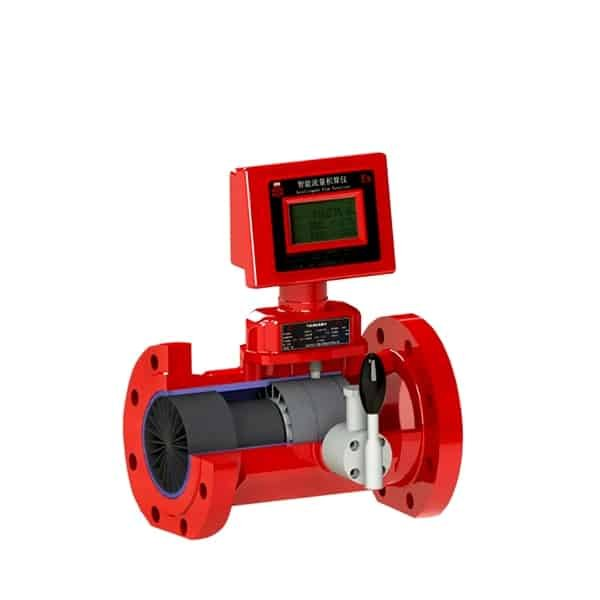 Natural Gas Flow Meter
Custody transfer and consumption metering of natural gas.
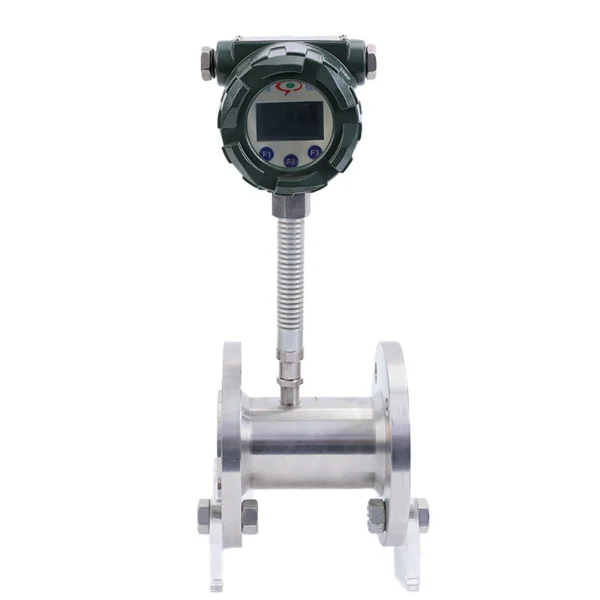 LNG Flow Meter
Cryogenic metering of liquefied natural gas: Coriolis and cold-rated turbine meters for truck loading, bunkering and boil-off gas.
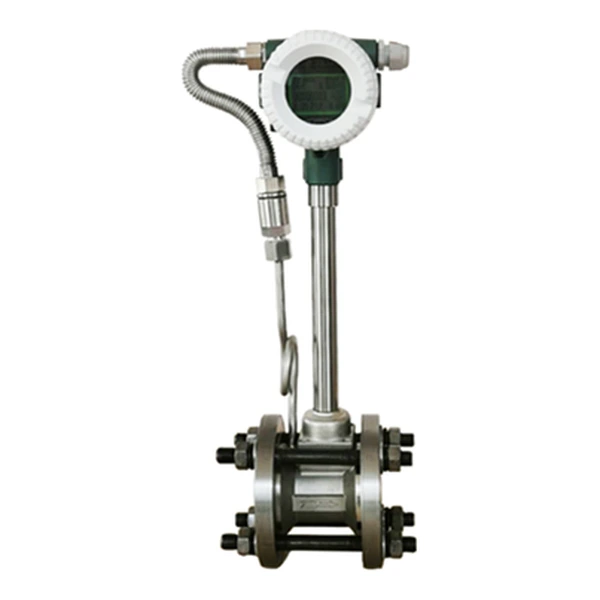 Steam Flow Meter
Saturated and superheated steam, compensated to mass flow.
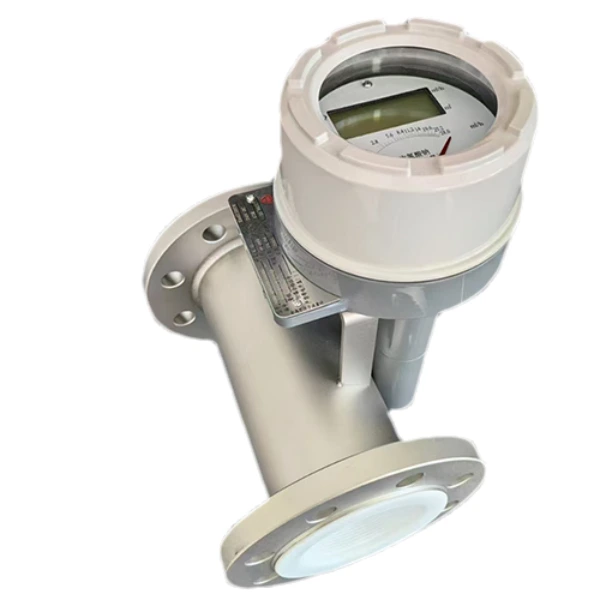 Chemical Flow Meter
Acids, alkalis, solvents, and dosing streams.
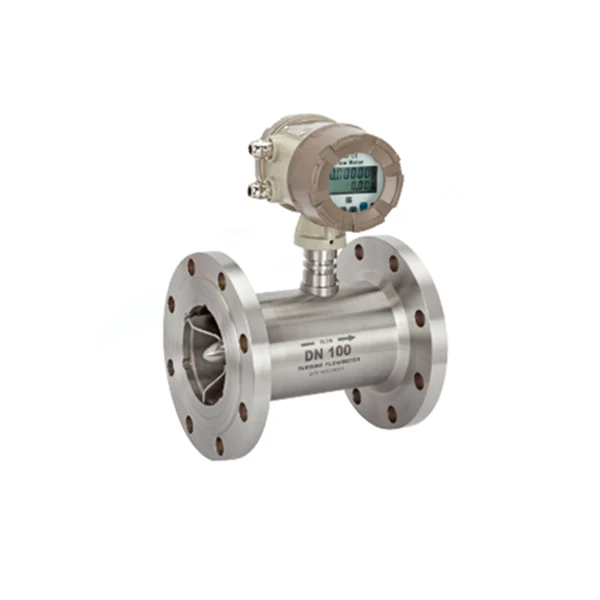 Diesel Flow Meter
Fuel transfer, dispensing, and custody of diesel and fuel oil.
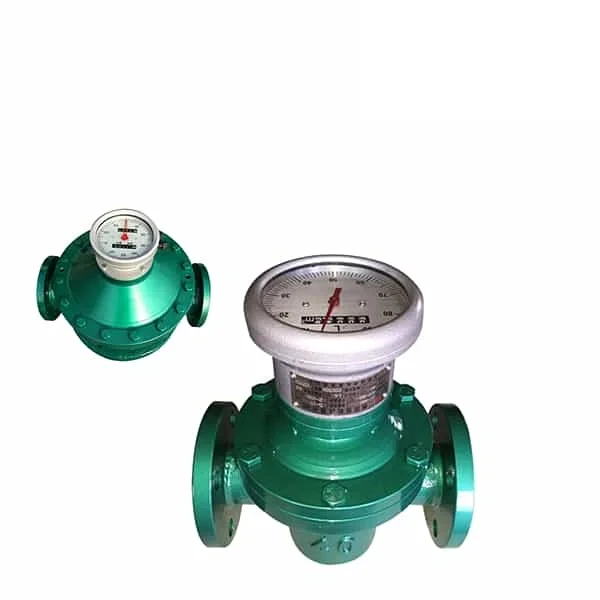 High Viscosity Flow Meter
Viscous oils, grease, asphalt, and polymer.
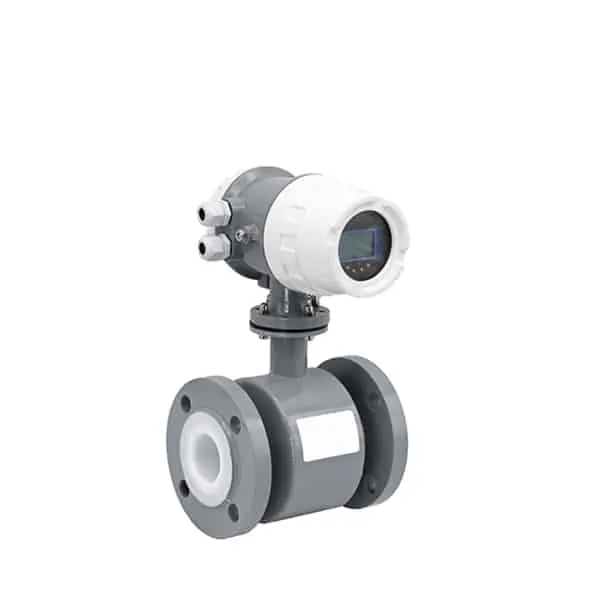 Slurry Flow Meter
Abrasive mineral, cement, and process slurry.
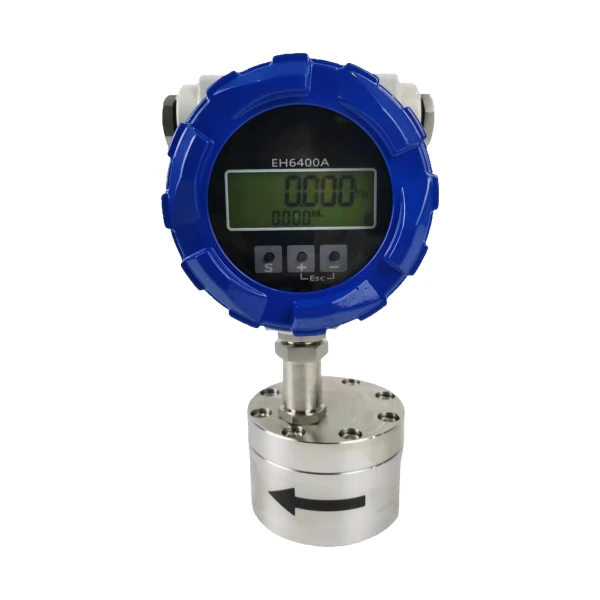 Hydraulic Flow Meter
Oil in fluid power systems: test benches, power units, and mobile machines.
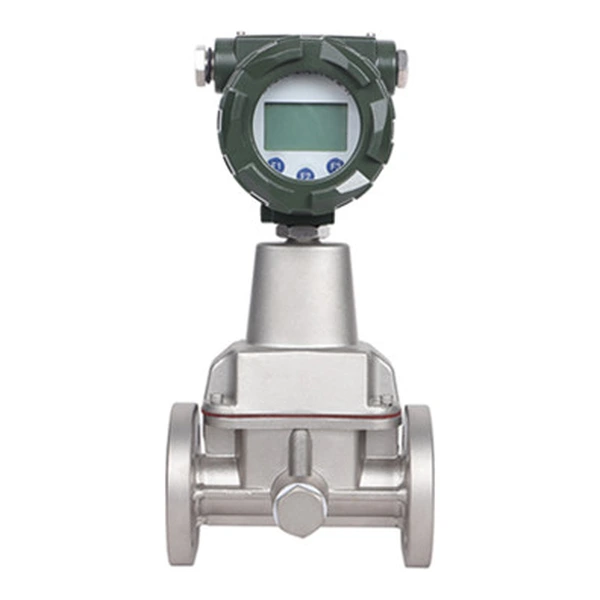 Industrial Oxygen Flow Meter
Oxygen gas to furnaces, lances, and plant headers, with oxygen-service rules.
Irrigation Flow MeterWells, pivots and canal turnouts: magmeters, battery and ultrasonic water meters sized by velocity, with district accuracy rules.
Fuel Flow MeterGasoline, kerosene and fuel oil metering: PD, turbine and Coriolis compared, with custody and temperature correction rules.
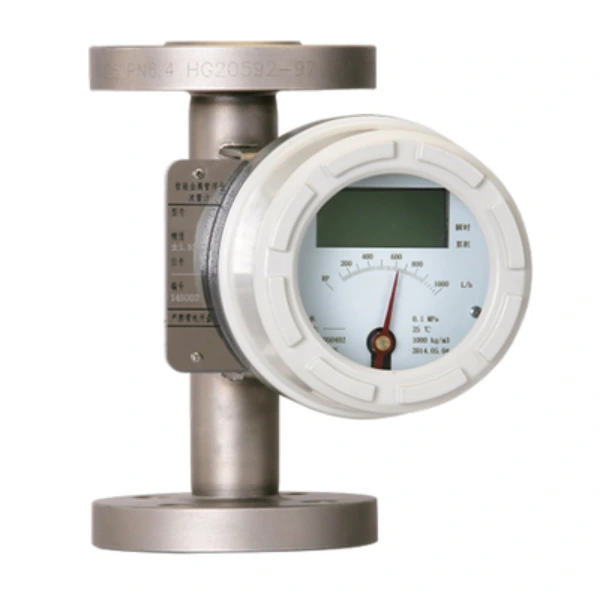 Argon Flow Meter
Welding shielding gas and plant argon: rotameters, gas correction factors, thermal mass manifolds and liquid argon.
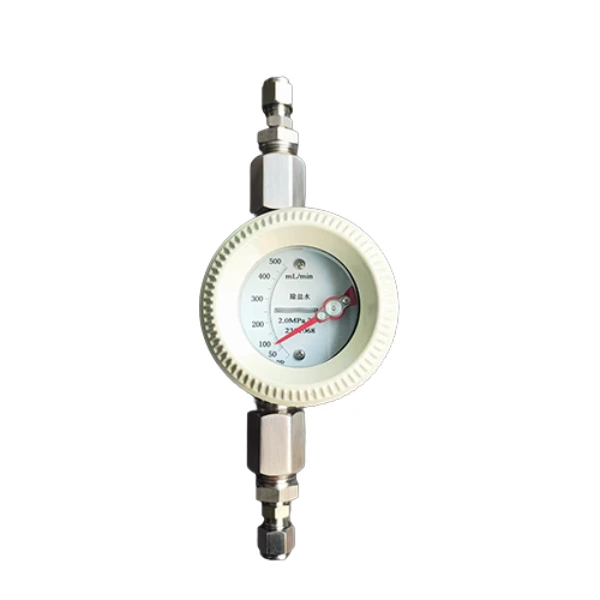 Seal Water Flow Meter
Mechanical seal flush and gland water: flush rate rules, scale sizing, conductivity limits and loss of flow alarms.
By industry
Choose by the process or sector you run.
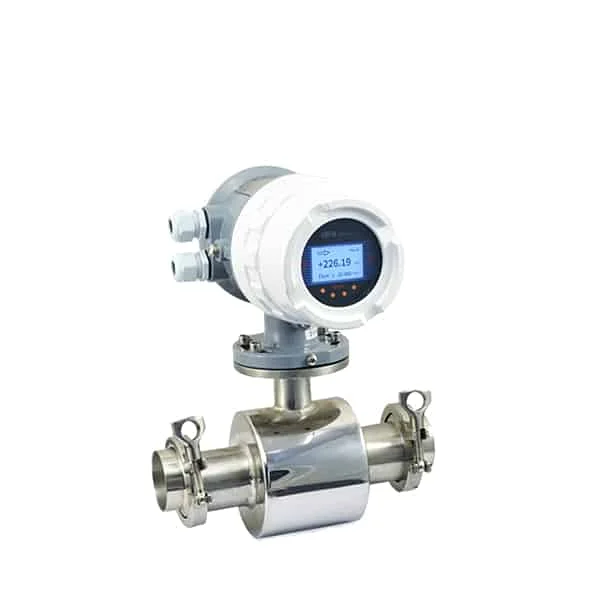 Sanitary Flow Meter
Food, dairy, beverage, and pharma lines; tri-clamp, CIP-ready.
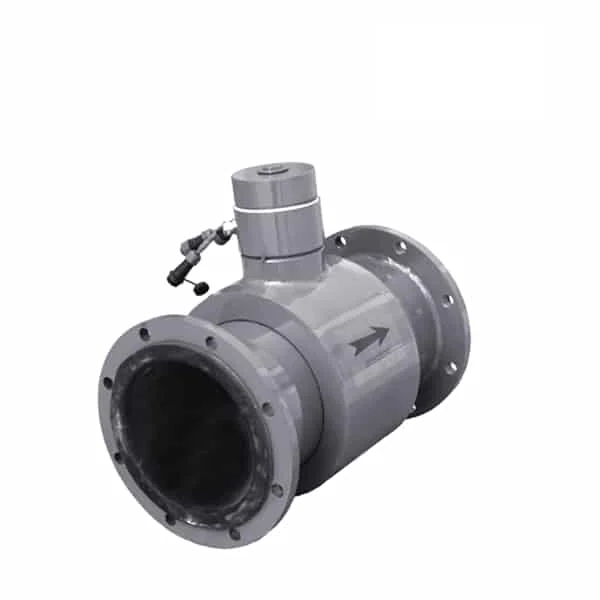 Wastewater Flow Meter
Sewage and effluent in full pipes or gravity sewers.
Brewery Flow MeterBrewing water, hot wort, beer transfer, CIP and gas lines mapped to sanitary metering with worked numbers.
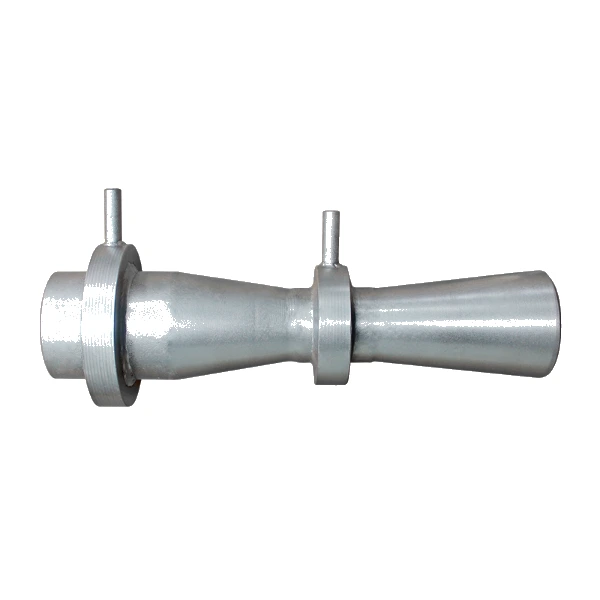 Fire Pump Flow Meter
NFPA 25 test metering: venturi and DP test meters, the 175 percent sizing rule, closed-loop limits and annual calibration.
Applications at a glance
Each application has a few technologies that fit best. This table is a quick map; open the application page for the full comparison.
| Application | Technologies that fit best |
|---|---|
| Natural gas | Turbine, ultrasonic, or Coriolis for custody; thermal mass for consumption |
| LNG | Low-temperature Coriolis for loading and bunkering; cryogenic turbine with a flow computer |
| Steam | Vortex with temperature and pressure compensation; DP elements on large lines |
| Chemical | Lined magnetic for conductive; Coriolis or clamp-on ultrasonic for non-conductive |
| Diesel | Oval gear positive displacement; Coriolis for custody |
| High viscosity | Oval gear positive displacement; Coriolis |
| Slurry | Magnetic; Doppler ultrasonic; drag-force target |
| Hydraulic oil | Gear PD for pressure lines and test benches; oval gear for transfer; variable area for local reading |
| Oxygen | Thermal mass for consumption; precession vortex and compensated rotameter for standard volume; oxygen-cleaned builds |
| Irrigation water | Full-bore and battery magmeters; ultrasonic water meters for billing; turbine on filtered water |
| Sanitary | Sanitary magnetic, turbine, or Coriolis; tri-clamp and CIP-ready |
| Wastewater | Magnetic in full pipes; partially-filled magnetic and Doppler in sewers |
| Fuel and oil | Positive displacement (oval gear, spiral rotor); turbine for clean product; Coriolis by mass |
| Brewing | Sanitary magnetic for wort, beer and CIP; sanitary turbine for water; Coriolis for blending and records |
| Argon and welding gas | Variable area rotameter at the point of use; thermal mass meters for manifolds and leak baselines |
| Fire pump testing | Venturi or DP test meter in the loop; magnetic on lines that discharge to tank or drain |
| Seal water | Variable area rotameter with a needle valve for local setting; magnetic for a signal; thermal switch for the loss of flow alarm |
FAQ
How do I choose a flow meter for my application?
Start from the fluid and the service, not the technology. Is it conductive, viscous, abrasive, hygienic, a gas, or steam? That narrows the field to a few suitable technologies. Then size by line diameter and accuracy. Each application page lays out the best-fit technologies and how to choose.
What is the most common flow meter type?
Magnetic meters are the most common for conductive liquids, Coriolis for mass and the highest accuracy, vortex for steam, and turbine or positive displacement for fuel. The right choice depends on the application and the fluid.
Can one flow meter cover several applications?
Some technologies are versatile, such as Coriolis and magnetic. But matching the meter to the specific fluid and service gives better accuracy, longer life, and lower cost than forcing one meter onto every application.
Request a quote
Tell us the medium, the line size, the flow range, and the temperature and pressure, and we size the vortex meter and set the outputs.