Home › Flow Meters
A flow meter measures how much liquid, gas or steam moves through a pipe, as a rate and a total. There is no single best meter; the right one depends on the medium, the cleanliness, the temperature and the accuracy you need. Instranova builds the full range, grouped by measuring principle. Pick the principle first, then open its page to compare the models.
Flow meters by measuring principle
Each principle suits a different medium and service. Every principle below is live – open its page to compare the specific models.
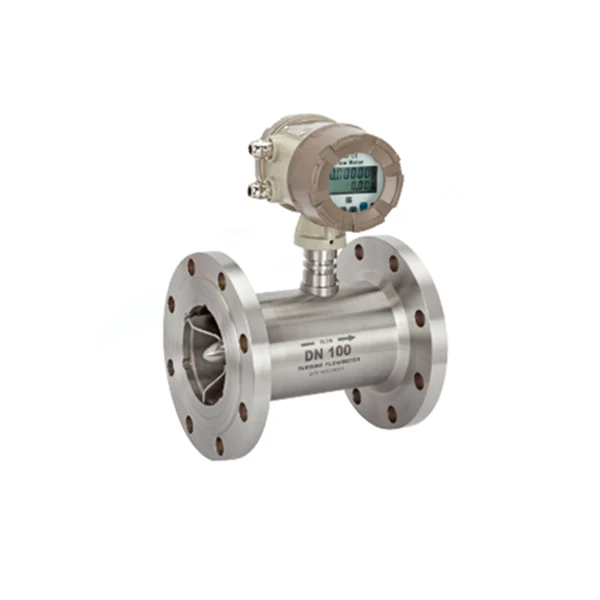 Turbine Flow Meters
High-accuracy metering of clean liquids and gas, DN4 to DN200.
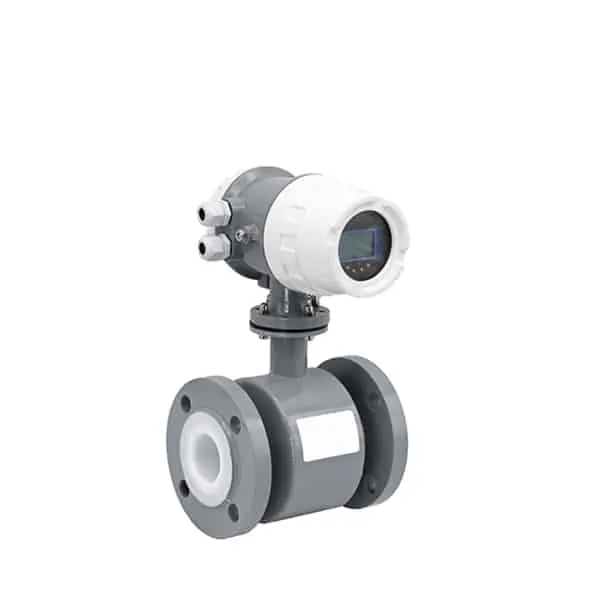 Magnetic Flow Meters
Conductive liquids: water, wastewater, slurry and chemicals.
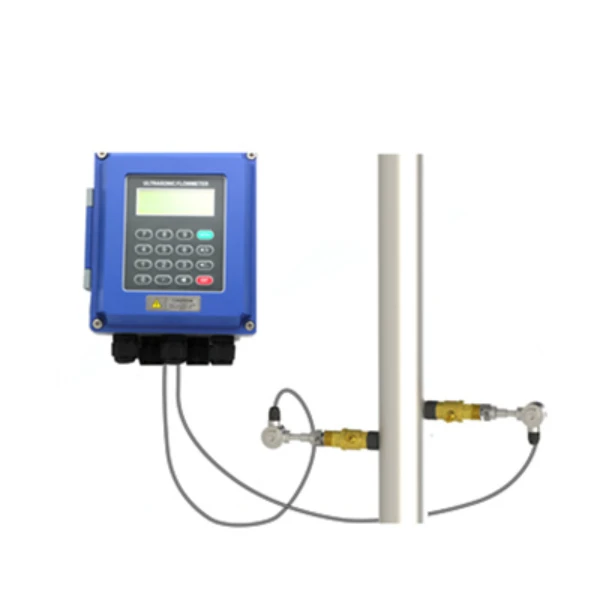 Ultrasonic Flow Meters
Transit-time clamp-on and insertion meters for liquids, small lines to large mains.
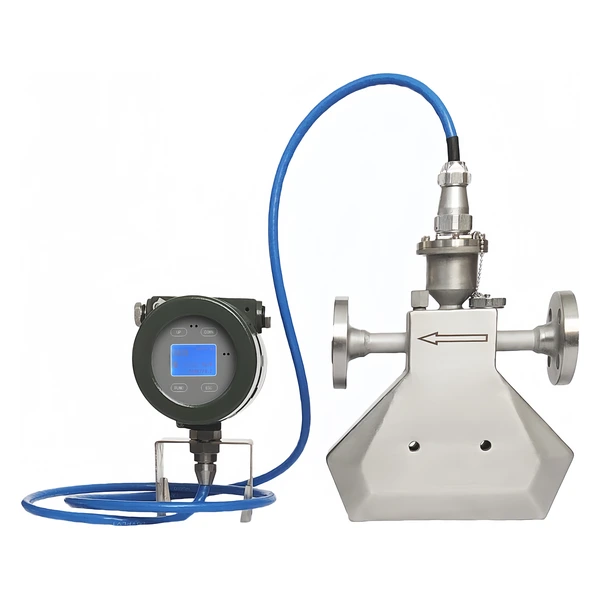 Coriolis Flow Meters
Direct mass flow, density, and temperature. For custody, dosing, and hard fluids.
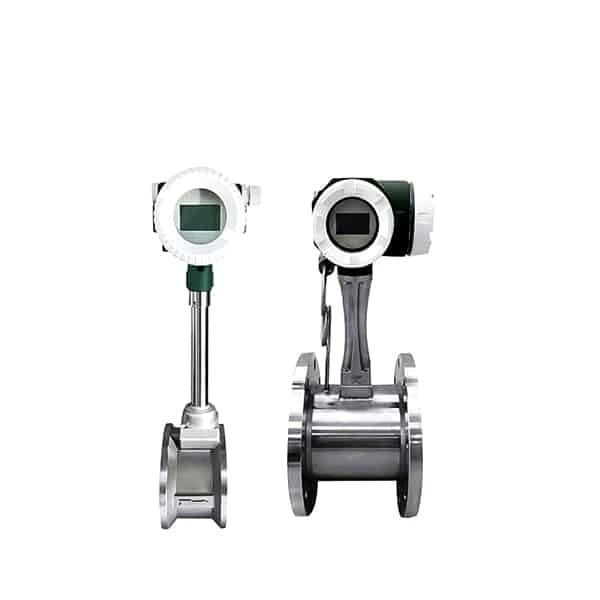 Vortex Flow Meters
Steam, gas, and liquid by Karman vortex shedding, with T/P compensation.
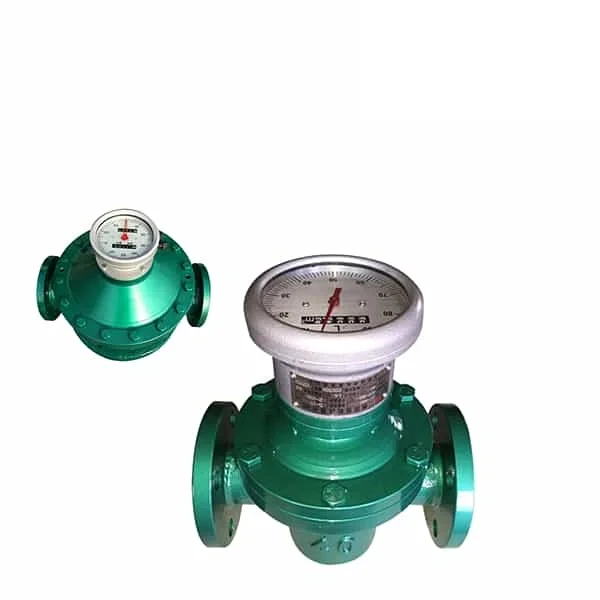 Positive Displacement
Oval gear meters for diesel, fuel and lube oil, resin, and viscous liquid.
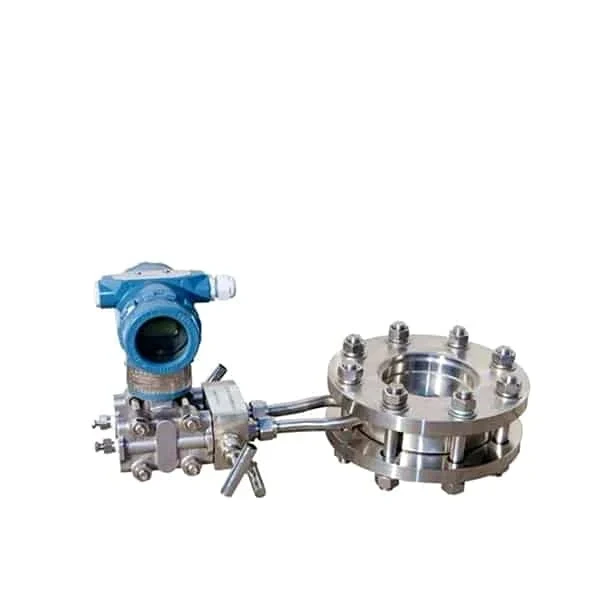 Differential Pressure
Orifice, venturi, and other DP elements for clean liquid, gas, and steam.
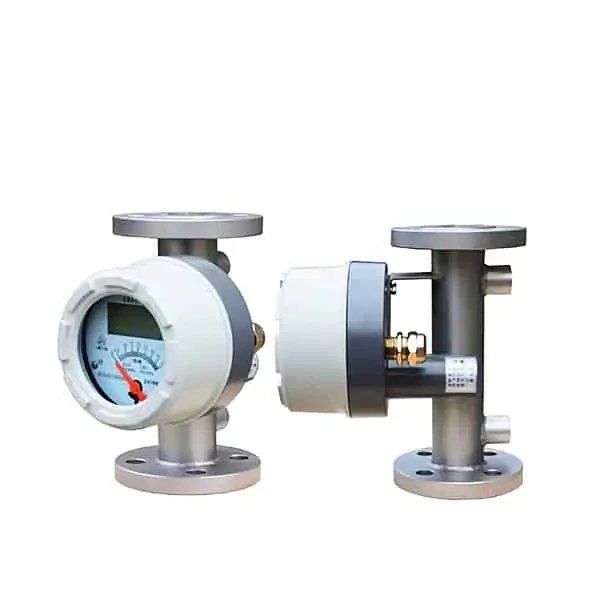 Variable Area Flow Meters
Rotameters: a float in a tapered tube reads flow with no power, for liquid and gas.
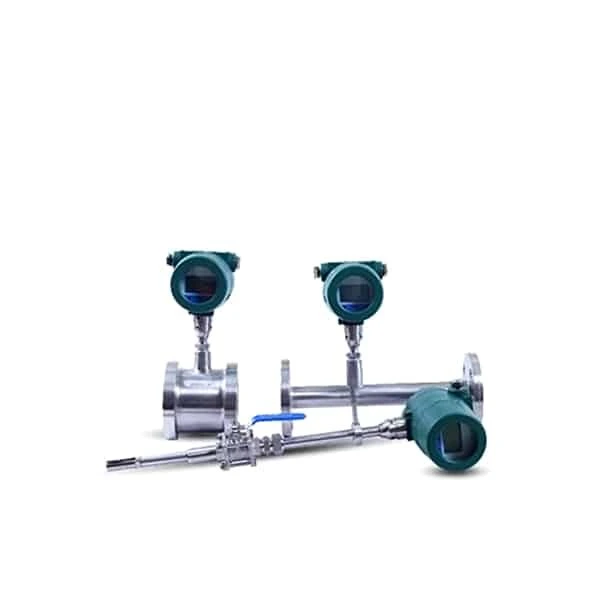 Thermal Mass
Direct gas mass flow for air, natural gas, and flue gas, with no T or P compensation.
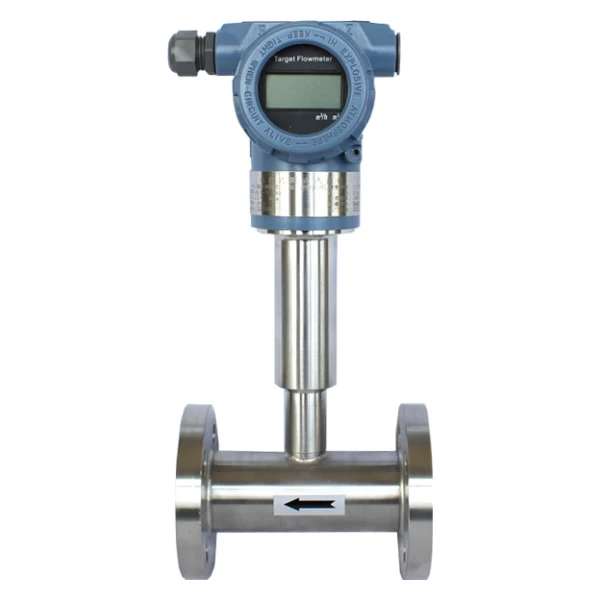 Target
Drag-force meter for low flow and viscous, dirty, or extreme-temperature service.
Looking by application instead? See flow meters by application for steam, natural gas, chemical, diesel, sanitary, wastewater, high-viscosity, and slurry duties. New to the technologies? Our guide to flow meter types compares all eleven principles in one table.
Choosing a flow meter
Match the principle to the medium and the conditions. This is the quick guide; each principle page then helps you size the model.
| Your medium | Principle |
|---|---|
| Clean, low-viscosity liquid or gas, high accuracy | Turbine |
| Conductive liquid, slurry, dirty water | Electromagnetic |
| Steam, gas or liquid, high temperature, no moving parts | Vortex |
| Mass flow and density, highest accuracy | Coriolis |
Planning the install? Check the flow meter straight run requirements by meter type before you set the upstream and downstream piping.
Process figures arrive in GPM, L/min, or m3/h depending on the region. The flow rate units guide has the exact conversion factors for putting your numbers in the same unit as a datasheet range table.
FAQ
What is the purpose of a flow meter?
A flow meter measures the rate and total quantity of a fluid passing through a pipe. That figure drives custody and billing, keeps a process at the right feed rate, balances loads, and feeds the control system that automates dosing, blending and batching. The reading can be a local total, a pulse, a 4-20 mA loop or a digital signal.
What are the two common types of flow meters?
Broadly, flow meters split into volumetric and mass meters. Volumetric types, such as turbine, electromagnetic, vortex and ultrasonic, measure the volume that passes; mass types, such as Coriolis and thermal, measure the actual mass. Within volumetric, the principle is chosen by the medium: turbine for clean liquids and gas, electromagnetic for conductive and dirty liquids, vortex for steam and hot service.
What is the difference between a flow meter and a water meter?
A water meter is a flow meter built and certified specifically for billing potable or utility water, usually to a legal metrology standard. A process flow meter is a broader instrument for any fluid, optimized for accuracy, signal output and control rather than for a billing certification. Many turbine, electromagnetic and ultrasonic meters serve both roles depending on the approval.
Request a quote
Quote checklist, send these five points: the medium and whether it is clean, conductive or carries solids; the flow range and line size; the process temperature and pressure; the output you need; and whether you need a hazardous-area rating. Tell us the application and we point you to the right principle and model.
Written and technically reviewed by the Instranova engineering team, last reviewed 2026-06-21. Based on the Instranova flow meter range plus field experience across water, fuel, gas and process service. Questions? Reach our application engineers.