Flow Meters › Chemical Flow Meter
Chemical Flow Meter
Chemicals, acids, alkalis, solvents, and dosing streams, attack ordinary wetted parts, and many do not conduct, so the meter must match both the chemistry and the flow. A lined magnetic meter is the default for conductive acids and alkalis; a Coriolis meter reads non-conductive solvents and doses by mass; a clamp-on ultrasonic meter never touches an aggressive or hazardous fluid; and a fluoropolymer-lined rotameter gives a simple local read. Pick by whether the chemical conducts, how corrosive it is, and whether you need volume, mass, or just an indication.
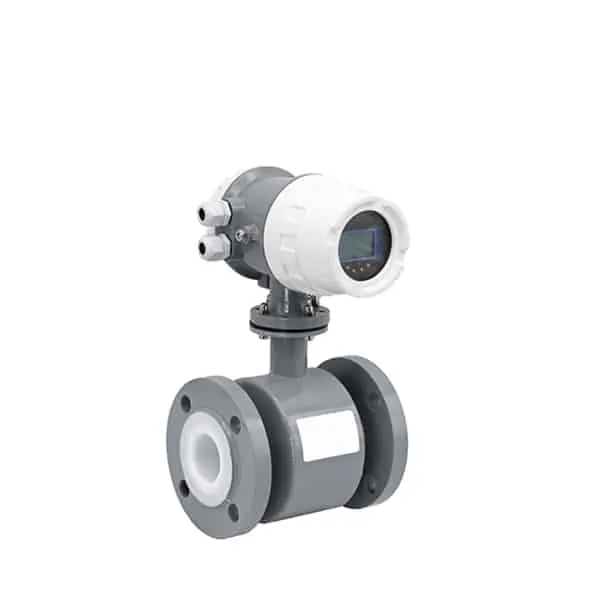 Magnetic Flow Meter
For conductive acids, alkalis, and salt solutions: a PTFE or PFA liner with corrosion-resistant electrodes, full bore and obstruction-free.
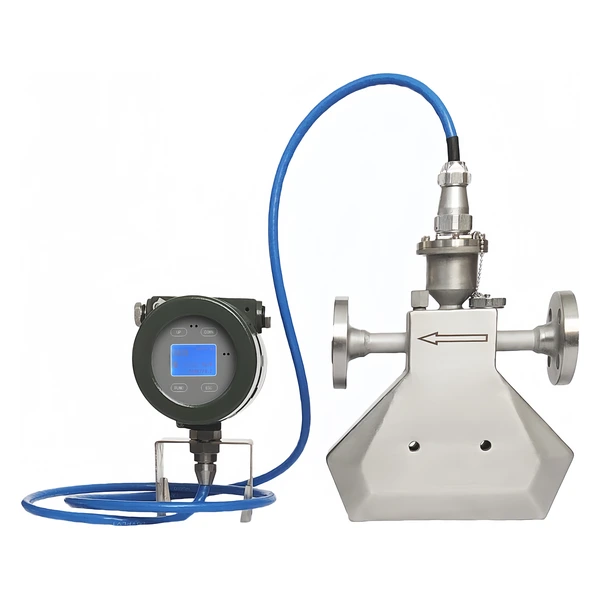 Coriolis Mass Flow Meter
For non-conductive solvents and precise dosing: reads mass and density directly, independent of conductivity, with corrosion-resistant wetted parts.
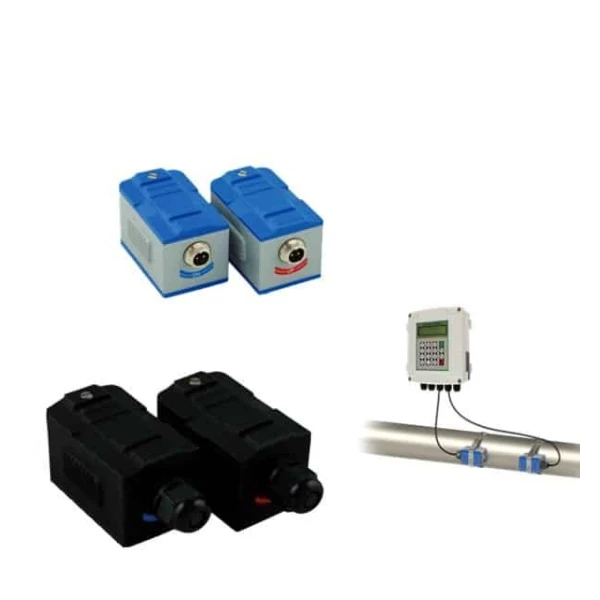 Clamp-On Ultrasonic Flow Meter
Never touches the chemical: a transit-time meter that clamps on the outside of the pipe for aggressive or hazardous fluids.
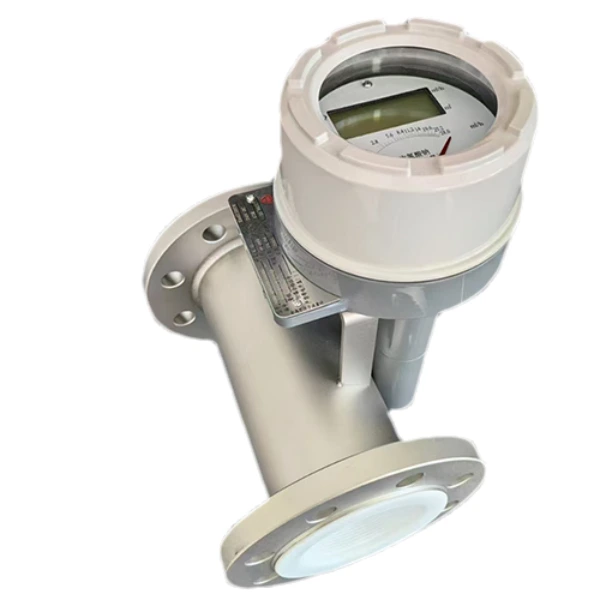 PTFE Lined Rotameter
Local, powerless flow indication with fully fluoropolymer-wetted parts; simple monitoring of corrosive liquid.
Choosing a chemical flow meter
All of these meter chemicals, but they fit different chemistry. Match the technology to whether the fluid conducts, how corrosive it is, and whether you need volume, mass, or a local indication.
| Technology | When to choose it for chemicals |
|---|---|
| Magnetic (lined) | Conductive acids, alkalis, and salt solutions; PTFE or PFA liner with Hastelloy, titanium, or tantalum electrodes; the default for corrosive process flow |
| Coriolis | Non-conductive solvents and precise dosing or blending; direct mass and density with corrosion-resistant wetted parts |
| Clamp-on ultrasonic | Aggressive or hazardous chemicals where nothing should contact the fluid; non-invasive with no wetted parts |
| PTFE-lined rotameter | Local visual indication of corrosive liquid with no power; fully fluoropolymer-wetted |
FAQ
What flow meter is best for chemicals?
It depends on the chemistry. For conductive acids and alkalis, a lined magnetic meter is the default. For non-conductive solvents and precise dosing, a Coriolis meter reads mass and density. For aggressive or hazardous chemicals, a clamp-on ultrasonic meter never touches the fluid, and a fluoropolymer-lined rotameter gives a simple local read.
Can a magnetic flow meter measure acid?
Yes, as long as the acid is conductive, which most aqueous acids and alkalis are. A magnetic meter with a PTFE or PFA liner and corrosion-resistant electrodes such as Hastelloy, titanium, or tantalum is the standard for these. Non-conductive solvents need a Coriolis or clamp-on ultrasonic meter instead.
How do you measure chemical dosing flow?
For chemical feed and dosing, accuracy and corrosion resistance matter most. A Coriolis meter doses by mass, independent of density and conductivity, while a lined magnetic meter suits conductive dosing streams. Both give the repeatability that batching and blending need.
Request a quote
Tell us the medium, the line size, the flow range, and the temperature and pressure, and we size the vortex meter and set the outputs.