Flow Meters › Steam Flow Meter
Steam Flow Meter
Steam is one of the harder fluids to meter: it is hot and high-pressure, and its density changes with temperature and pressure, so a meter has to read volumetric flow or differential pressure and then correct for density to report a true mass flow. Several technologies do this. The vortex meter is the usual choice, but differential-pressure elements, the orifice plate, the flow nozzle, and the averaging pitot tube, are also widely used, especially on large or high-pressure steam lines. Pick by line size, pressure, temperature, and budget.
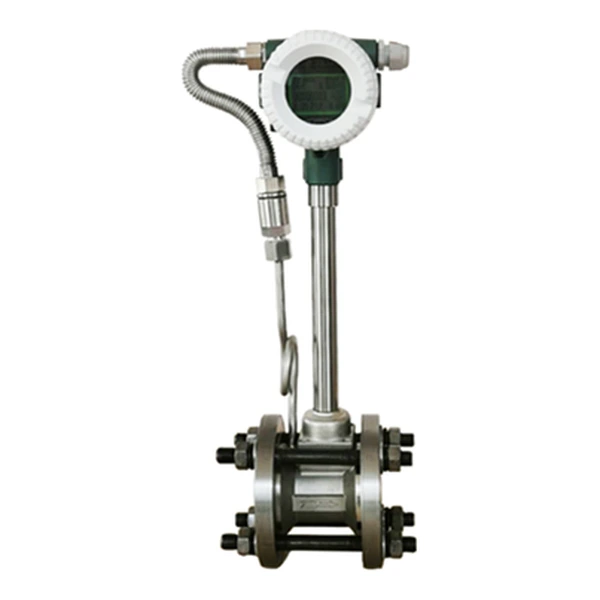 Steam Vortex Flow Meter
The usual choice: it counts vortices and, with temperature and pressure compensation, reads steam mass directly.
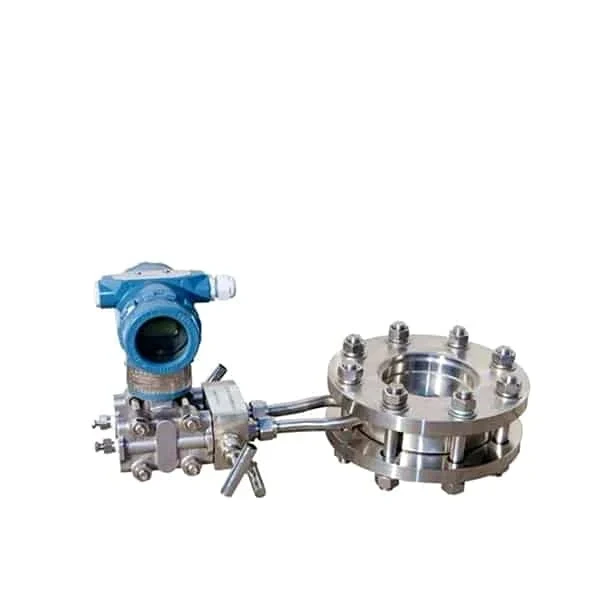 Orifice Plate Flow Meter
The traditional differential-pressure element for steam, paired with a DP transmitter and T and P compensation.
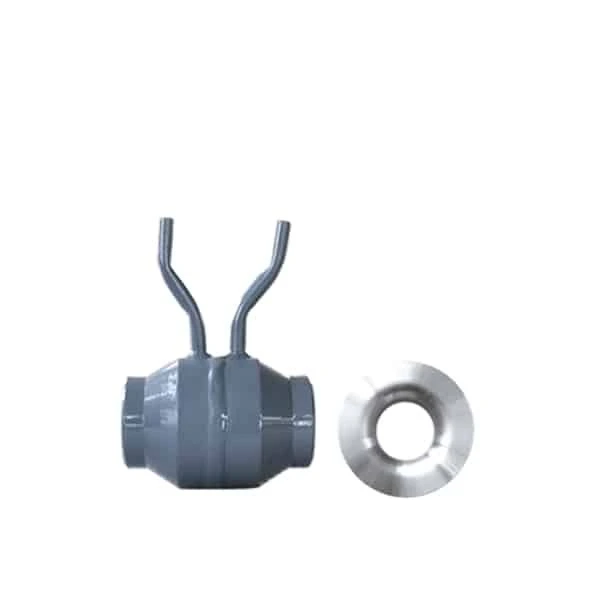 Flow Nozzle Flow Meter
A rugged DP element for high-pressure, high-temperature, high-velocity steam in power plants.
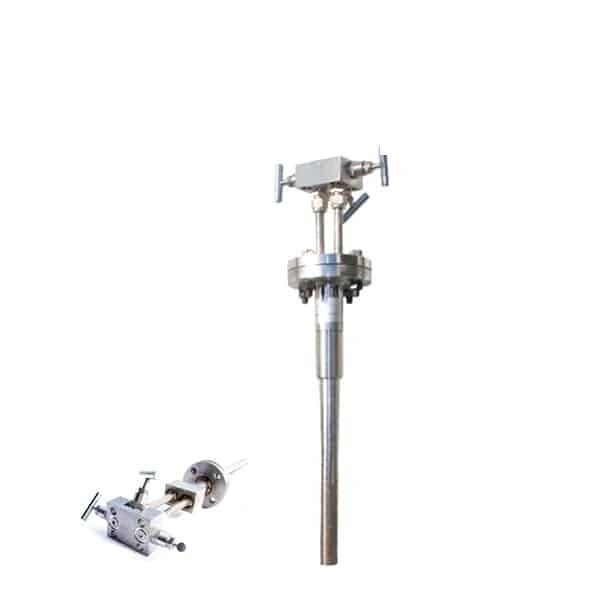 Averaging Pitot Tube Flow Meter
An insertion DP probe with very low pressure loss for steam on large mains and ducts.
Choosing a steam flow meter
All of these read steam, but they fit different lines. Match the technology to the line size, pressure, temperature, and how much pressure loss you can accept.
| Technology | When to choose it for steam |
|---|---|
| Vortex (the default) | Most steam duties; mass flow with built-in temperature and pressure compensation; wide turndown and low pressure loss |
| Orifice plate | Established low-cost standard, easy to replace; needs a DP transmitter and compensation for mass |
| Flow nozzle | High-pressure and high-temperature main steam in power plants; rugged and wear resistant |
| Averaging pitot tube | Large mains and ducts where pressure loss must stay low; insertion through a single tap |
For the physics linking steam pressure, density, and flow reading errors, see the flow rate and pressure relationship guide.
Measuring the returning water instead of the steam is a common alternative, and it carries its own limits: see the guide on condensate flow meter selection.
On small lines the size question has its own page: the 2 inch and 3 inch steam flow meters guide tabulates DN50 and DN80 saturated steam capacity by pressure and works a sizing example.
FAQ
How is steam flow measured?
Steam is metered with a vortex meter or a differential-pressure element such as an orifice plate, flow nozzle, or averaging pitot tube. Each reads volumetric flow or a pressure drop, then uses temperature and pressure to correct for steam density and report mass flow.
Do you need temperature and pressure compensation for steam?
Yes. Steam density changes with temperature and pressure, so a meter must measure both, or take them from transmitters, to convert its reading to a true mass flow in kg/h or t/h. Multivariable meters do this internally.
Which steam flow meter is best?
For most plants the vortex meter is the best balance of accuracy, turndown, and low pressure loss. Orifice plates suit low-cost or legacy installs, flow nozzles suit high-pressure power-plant steam, and averaging pitot tubes suit very large mains.
Why the same pressure can give two different densities, and what that does to the reading, is set out in saturated vs superheated steam.
Request a quote
Tell us the medium, the line size, the flow range, and the temperature and pressure, and we size the vortex meter and set the outputs.