Flow Meters › High Viscosity Flow Meter
High Viscosity Flow Meter
Viscous liquids, heavy oils, grease, asphalt, syrup, polymer, and paste, are hard to meter: they cling to the wall, damp out the signal a vortex or magnetic meter needs, and change with temperature. A few technologies handle them well. Positive-displacement meters are the proven choice and hold accuracy as viscosity rises; a Coriolis meter reads mass directly and suits very high viscosity; and a drag-force target meter copes with thick, dirty, and changing fluids. Pick by viscosity, flow rate, and how clean the fluid is.
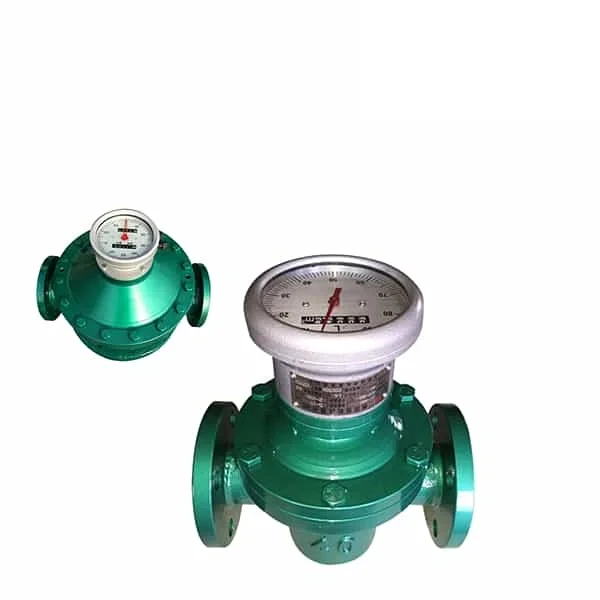 Oval Gear Flow Meter
Positive displacement: the proven choice for viscous oils, grease, and asphalt; accuracy holds as viscosity rises.
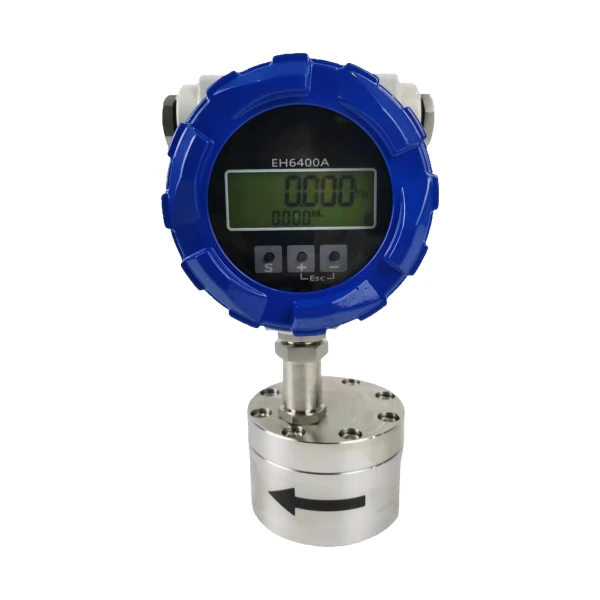 Gear Flow Meter
A small-bore gear meter for precise dosing of high-viscosity additives and OEM lines.
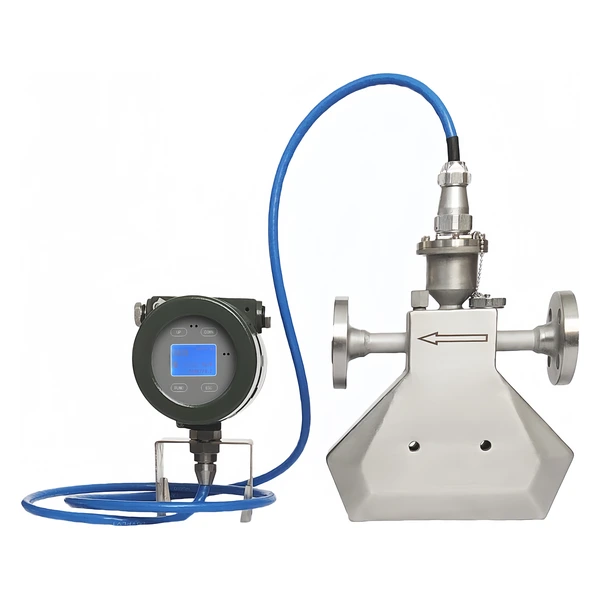 Coriolis Mass Flow Meter
Reads mass directly, independent of viscosity, and gives density too; for high-value viscous liquids.
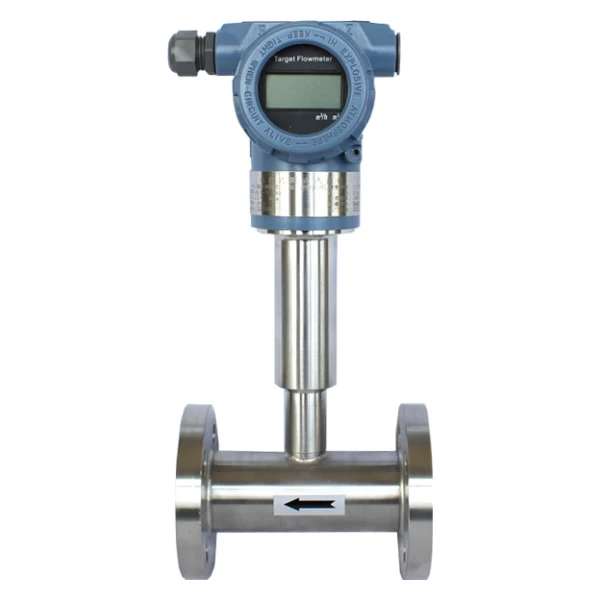 Target Flow Meter
Drag-force meter with no pressure taps to clog; handles thick, dirty, and changing viscous fluids.
Choosing a high-viscosity flow meter
All of these read viscous liquids, but they fit different duties. Match the technology to the viscosity, the flow rate, and how clean the fluid is.
| Technology | When to choose it for viscous liquid |
|---|---|
| Oval gear (PD) | Viscous oils, grease, fuels, and polymers; accuracy improves as viscosity rises; the default for thick liquids |
| Gear meter | Very low-flow dosing of viscous additives; OEM and laboratory lines |
| Coriolis | Mass and density on high-value viscous liquids; very high viscosity where a little accuracy can be traded |
| Target (drag-force) | Thick, dirty, or sediment-bearing viscous fluids where pressure taps and moving parts clog |
FAQ
What flow meter is best for high-viscosity liquids?
A positive-displacement meter, usually an oval gear, is the default and most accurate for viscous oils and grease, and it gets better as viscosity rises. A Coriolis meter is used where mass and density matter, and a drag-force target meter suits thick, dirty fluids.
Can a magnetic or vortex meter measure viscous liquid?
Usually not well. A magnetic meter needs a conductive liquid, so it cannot read oils or solvents, and a vortex meter needs enough Reynolds number, which a viscous fluid damps. For viscous liquids, positive-displacement, Coriolis, and target meters are preferred.
Does viscosity affect flow meter accuracy?
Yes. Positive-displacement accuracy actually improves with viscosity, because internal slip falls. Coriolis loses a little accuracy at very high viscosity but still reads. Turbine and vortex meters struggle as viscosity rises.
Request a quote
Tell us the medium, the line size, the flow range, and the temperature and pressure, and we size the vortex meter and set the outputs.