Home › Pressure Instruments
Pressure instruments measure the pressure of a liquid, gas or vapor and turn it into a reading, a signal or a switch action. The right one depends on what you need: a loop signal to a control system, a compact OEM sensor, a differential measurement, a setpoint alarm, or a local dial. Instranova builds the full range, grouped below by type. Pick the type first, then open its page to compare the models.
Pressure instruments by type
Most jobs fall into five types. Transmitters and sensors give an electrical output; switches trip at a setpoint; gauges read locally without power.
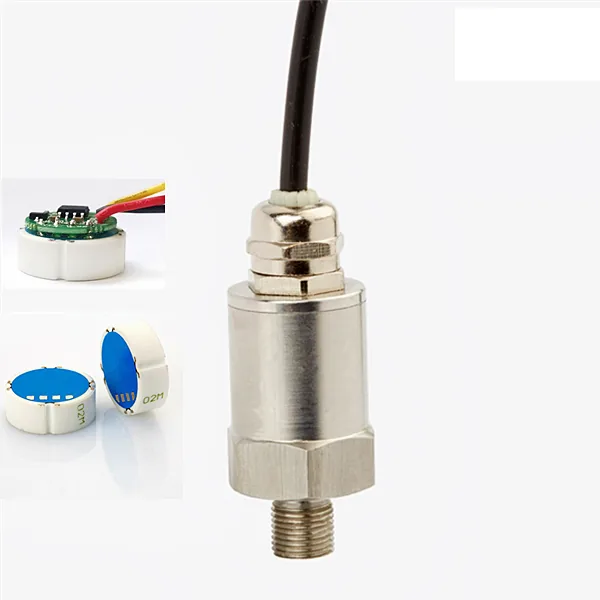 Pressure Sensors
Ceramic, silicon and digital cells for OEM and compact builds.
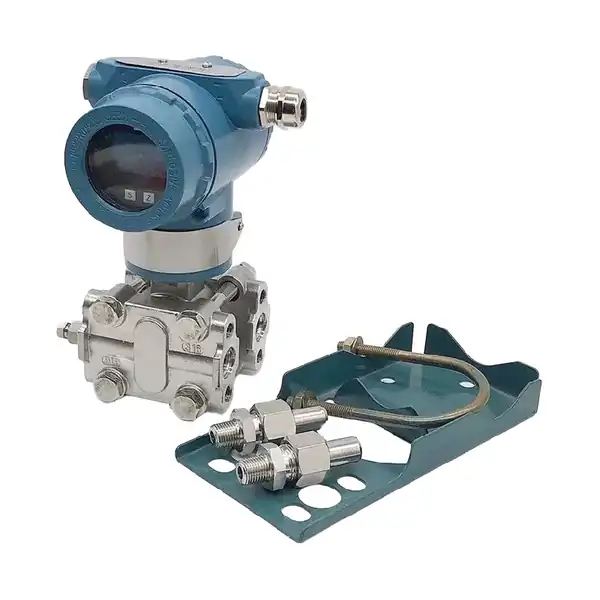 Pressure Transmitters
Gauge, absolute and multi-service, with 4-20 mA / HART output.
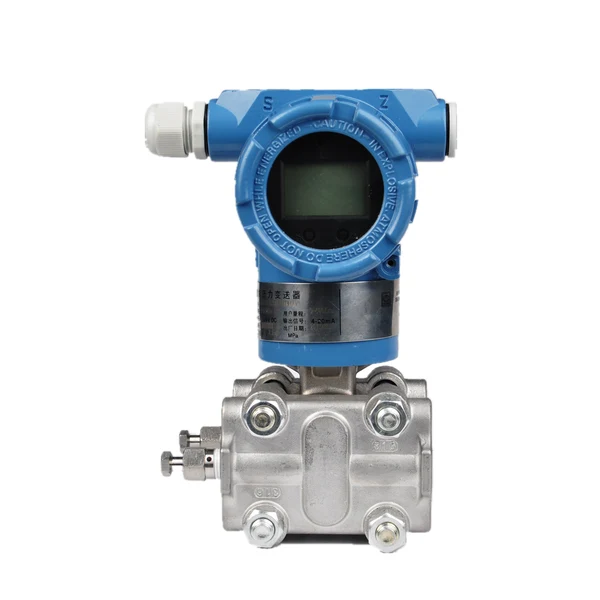 Differential Pressure Transmitters
Two ports, one cell, for flow, level and filter DP.
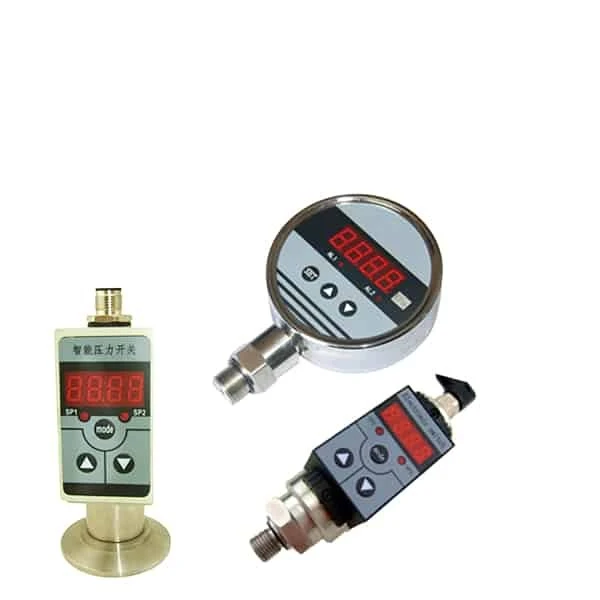 Pressure Switches
Mechanical and electronic setpoints for alarm and interlock.
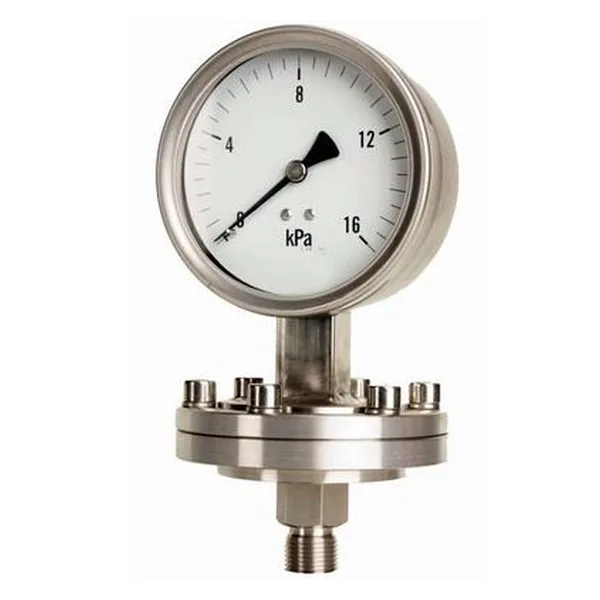 Pressure Gauges
Diaphragm and differential dials for local, power-free reading.
Choosing a pressure instrument
Match the type to what the job needs, then open its page to set the reference, range and process build.
| What you need | Type |
|---|---|
| A calibrated loop signal to a PLC or DCS | Pressure Transmitter |
| A compact sensing element for an OEM build | Pressure Sensor |
| Flow across an orifice, level, or filter drop | Differential Pressure Transmitter |
| An on/off alarm or interlock at a setpoint | Pressure Switch |
| A local dial reading at the equipment, no power | Pressure Gauge |
Specifying ranges across psi, bar and kPa? Our pressure units guide collects the exact NIST conversion factors and datasheet conventions in one place.
Wiring a transmitter rather than choosing one? See the pressure transducer wiring diagram guide for 2-wire, 3-wire, and 4-wire hookups, load resistance math, and fault checks.
For the theory side, see the static vs dynamic vs total pressure guide: what a wall-mounted transmitter actually reads, and when a DP pairing is needed instead.
For the liquid-column method behind units like inWC, see the U-tube manometer guide, including the point where a transmitter takes over.
FAQ
What does a pressure transmitter do?
A pressure transmitter measures process pressure with a sensing cell and converts it into a calibrated, linear output, most often a 4-20 mA loop with HART. That signal lets a control system read pressure, flow or level over a long cable without the value drifting.
What is the difference between a pressure sensor and a pressure transmitter?
The sensor is the element that responds to pressure; the transmitter is the sensor plus the electronics that condition and scale it into a standard 4-20 mA / HART output. A bare sensor gives a small signal that fades over distance, while a transmitter drives a robust loop a PLC can trust. Use a sensor for OEM and short-range builds, a transmitter for plant loops.
What is another name for a pressure transmitter?
It is often called a pressure transducer, though strictly a transducer outputs a raw signal and a transmitter outputs a conditioned 4-20 mA / HART loop. In the field the terms are used interchangeably; on our pages “transmitter” means the loop-powered, calibrated device.
Request a quote
Quote checklist, send these five points: the type you need (transmitter, sensor, switch or gauge); the range and units; the process media, temperature and connection; the output or switch action; and whether you need a hazardous-area rating. Tell us the application and we point you to the right type and model.
Written and technically reviewed by the Instranova engineering team, last reviewed 2026-06-21. Based on the Instranova pressure instrument range plus field experience across process, hygienic and hazardous service. Questions? Reach our application engineers.