Flow Meters › Thermal Mass Flow Meters
Thermal mass flow meters read the mass flow of gas directly, from the heat a warmed sensor loses to the stream. Because they measure mass rather than volume, they need no separate temperature or pressure compensation, which makes them the simple, low-cost choice for compressed air, natural gas, biogas, and flue gas, from small pipe to large ducts.
Thermal mass flow meters
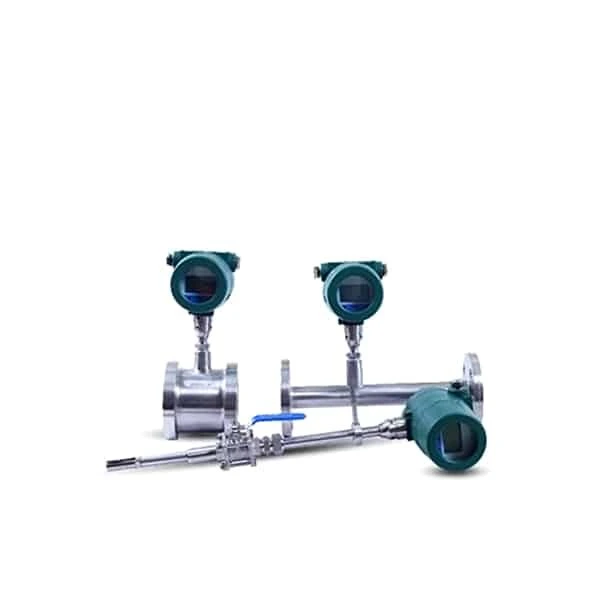 Thermal Mass Flow Meter
Direct gas mass flow with no temperature or pressure compensation, inline DN10 to DN80 or insertion DN80 to DN4000.
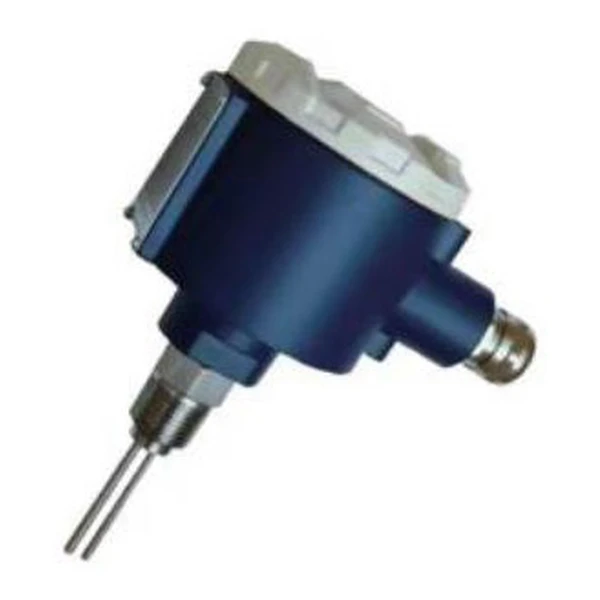 Thermal Flow Switch
Thermal dispersion flow or no-flow detection for gas and liquid; pump dry-run and low-flow protection.
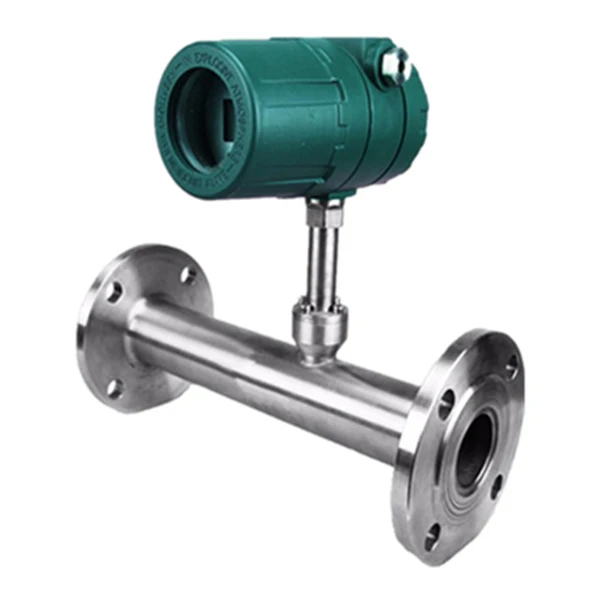 Compressed Air Flow Meter
Thermal mass meter for compressed air; reads Nm3/h for energy, leak, and per-machine accounting.
Choosing a thermal mass flow meter
Pick the body by pipe size and the build by the gas and the location:
| If you need | Choose |
|---|---|
| Small pipe, DN10 to DN80 | The inline (flanged) thermal mass flow meter, easy to mount with a settled flow |
| Large mains or ducts, to DN4000 | The insertion thermal mass flow meter, one tap and a live install |
| Mass total without compensation | A thermal meter; for a custody volume total on big lines, see ultrasonic or vortex |
| Wet or dirty gas | A thermal meter with a filter and drain, or a meter that is less sensitive to droplets |
Thermal meters read gas mass flow directly. For the background on why volumetric gas readings drift with pressure and temperature, see the mass flow vs volumetric flow guide.
For the arithmetic that turns an off shift header reading into an annual cost, see compressed air leak detection and audits.
FAQ
What is a thermal mass flow meter used for?
It measures the mass flow of gas, most often compressed air, natural gas, biogas, flare gas, and flue gas. Because it reads mass directly, it suits energy metering, sub-metering, leak detection, and emissions monitoring without a separate pressure and temperature correction.
Inline or insertion: which thermal mass flow meter do I need?
Use an inline (flanged) meter on small pipe up to about DN80, where it mounts easily and sees a settled flow. Use an insertion meter on large mains and ducts up to DN4000, where the probe goes in through one tap and can be fitted on a live line.
Does a thermal mass flow meter need temperature and pressure compensation?
No. The heat the sensor loses already depends on gas density, so the meter reads mass directly. There is no need to measure pressure and temperature separately and correct a volume reading, unlike a turbine or vortex gas meter.
Request a quote
Tell us the gas, the line or duct size, the flow range, and the pressure and temperature, and we size and calibrate the thermal mass flow meter for your gas.