Home › Pressure Instruments › Pressure Transmitters
A pressure transmitter turns process pressure into a standard signal: a 4-20 mA loop, HART, or a wireless link your PLC or DCS can read. Instranova builds a full series for gauge, absolute and differential measurement, and for hot, hygienic, hazardous and OEM service. Pick the reference first, then the process and the signal. The pages below give real specifications, ordering codes and a quote checklist for each one.
By measurement reference
The reference decides what “zero” means. Gauge reads against the atmosphere, absolute reads against a sealed vacuum, and differential reads the gap between two points for flow or level.
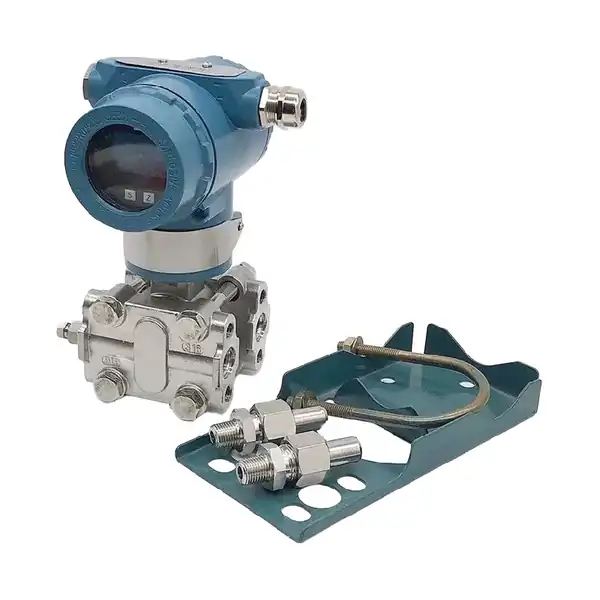 Gauge Pressure Transmitters
Vented reference for most process pressure, 0.1 kPa to 41 MPa.
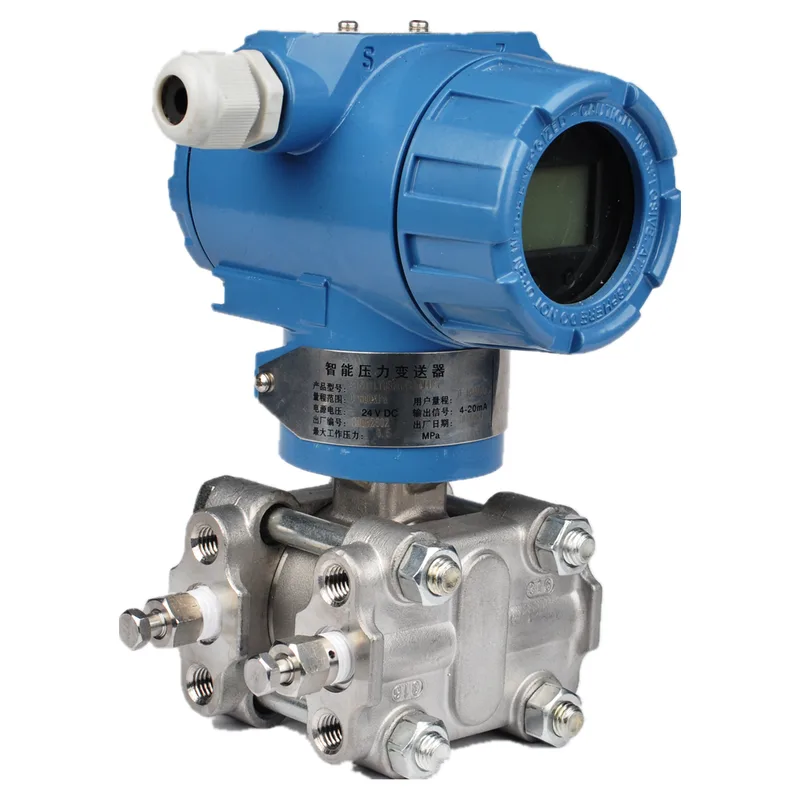 Absolute Pressure Transmitters
Sealed vacuum reference for a true zero, free of weather drift.
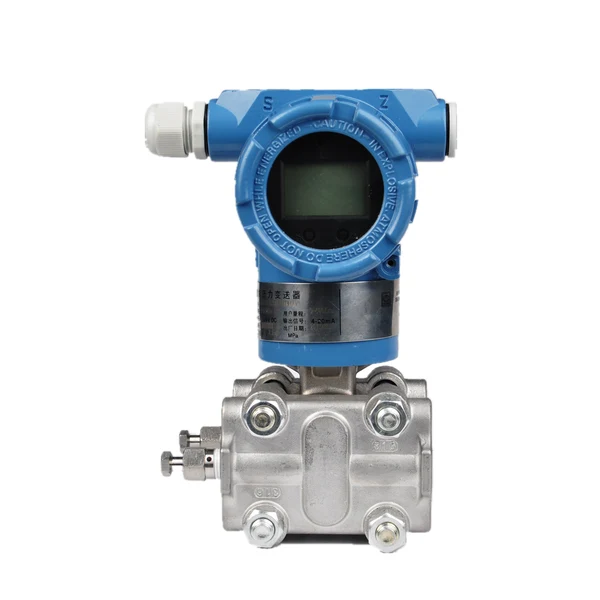 Differential Pressure Transmitters
Two ports, one cell, for flow, level and filter monitoring.
By process and service
The process sets the body. Hot media, clean-in-place lines, steam and classified areas each need a different front end.
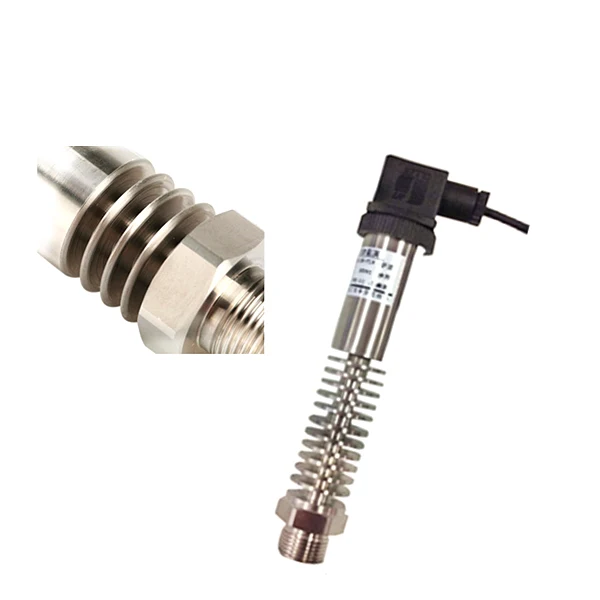 High-Temperature Pressure Transmitters
Heat-dissipating build for hot process lines without a remote seal.
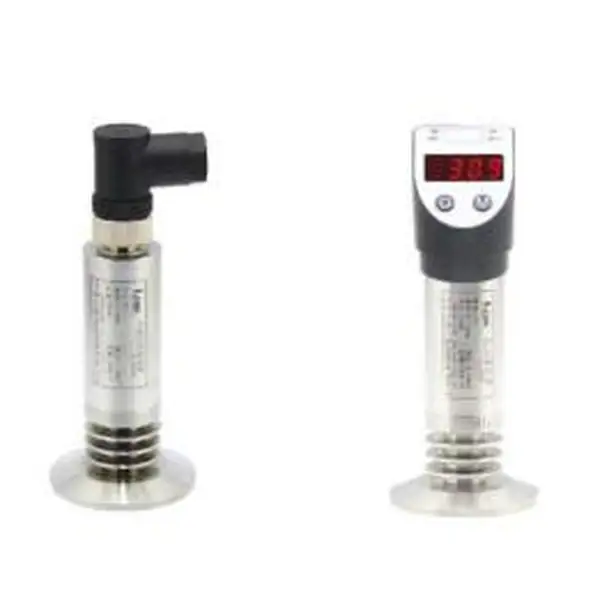 Sanitary Pressure Transmitters
Flush diaphragm and hygienic fittings for food, dairy and pharma.
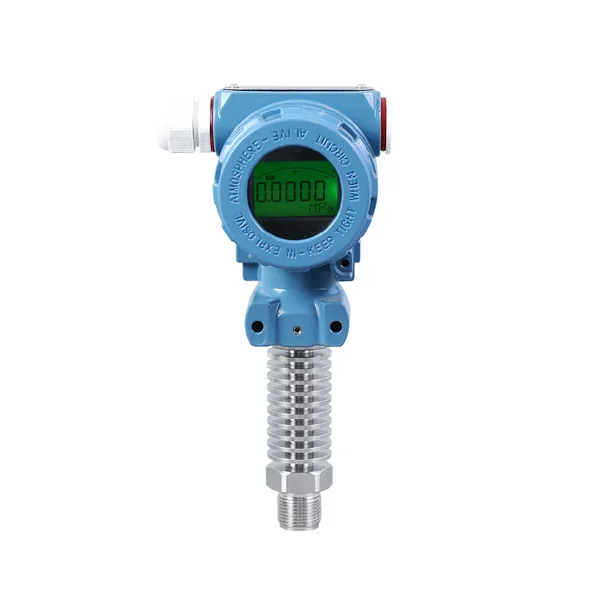 Steam Pressure Transmitter
Siphon and cooling practice to keep steam off the cell.
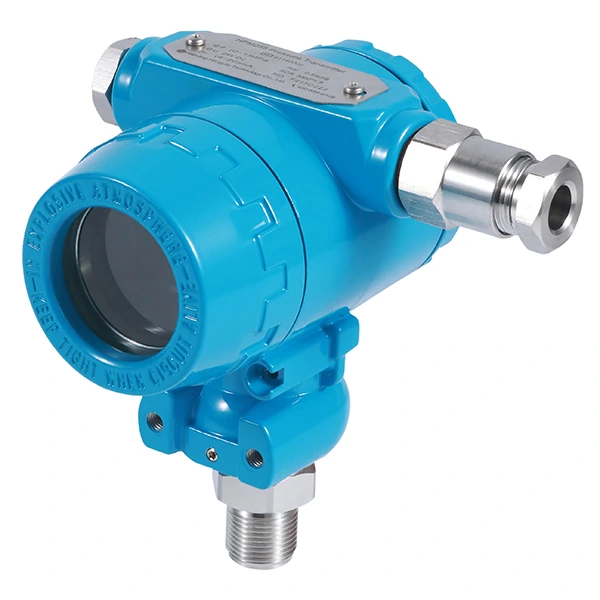 Explosion-Proof Pressure Transmitter
Flameproof Ex d housing for hazardous gas and dust areas.
By signal and integration
The signal sets how it talks to your system. A 4-20 mA loop is the baseline; HART adds digital diagnostics over the same pair, and wireless removes the wiring run.
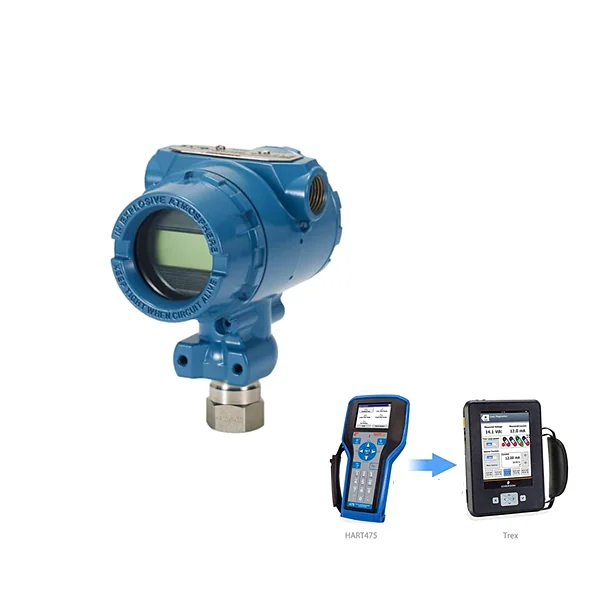 HART Pressure Transmitter
Digital diagnostics and remote ranging over the 4-20 mA loop.
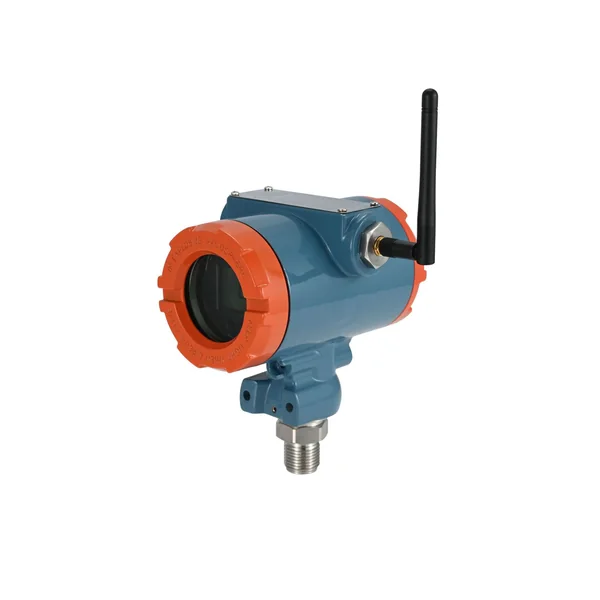 Wireless Pressure Transmitter
Battery NB-IoT / LoRa for remote sites with no signal wiring.
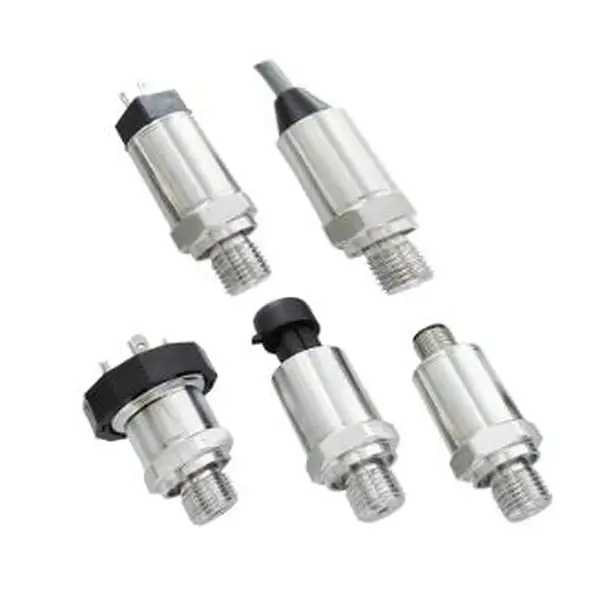 Industrial Pressure Transducers
OEM line with trimmable zero and span for volume builds.
Choosing a pressure transmitter
Start with the reference, then narrow by process and signal. This table covers the first and most important fork.
| What you measure | Reference | Pick |
|---|---|---|
| Tank, pump or line pressure for normal process control | Vs atmosphere | Gauge |
| Vacuum, altitude or a measurement that must ignore weather | Sealed vacuum | Absolute |
| Flow across an orifice, level in a closed tank, filter drop | Between two ports | Differential |
From there: hot media point to the high-temperature build, hygienic lines to the sanitary build, classified areas to the explosion-proof housing; and for the signal, add HART for diagnostics or go wireless where wiring is impractical.
Range units differ by region, psi against bar against MPa; our pressure units guide has the exact conversion factors.
Not sure the device you need is a transmitter at all? Our sensor vs transducer vs transmitter vs switch guide sorts the four device types by output signal.
Accuracy classes only mean something once you know what the percentage is measured against and how much of it is correctable bias; our guide to accuracy vs precision explains both.
Selecting is half the job. Tap orientation, impulse line slope, and loop checkout are covered step by step in our pressure transmitter installation guide.
To keep any of these transmitters inside its tolerance once in service, follow the five-point check in the pressure transmitter calibration guide.
FAQ
What does a pressure transmitter do?
A pressure transmitter measures process pressure with a sensing element, usually a piezoresistive or capacitive cell behind a diaphragm, and converts it into a calibrated, linear output, most often a 4-20 mA loop with HART. That signal lets a control system read pressure, flow or level over a long cable run without the value drifting.
What is the difference between a pressure sensor and a pressure transmitter?
The sensor is the element that responds to pressure; the transmitter is the sensor plus the electronics that condition, linearize and scale it into a standard 4-20 mA / HART output. A bare sensor gives a small millivolt or ratiometric signal that fades over distance, while a transmitter drives a robust loop a PLC can trust.
What is another name for a pressure transmitter?
It is often called a pressure transducer, though strictly a transducer outputs a raw signal and a transmitter outputs a conditioned 4-20 mA / HART loop. In the field the terms are used interchangeably; on our pages “transmitter” means the loop-powered, calibrated device.
Request a quote
Quote checklist, send these five points: the reference (gauge, absolute or differential); the range and the units you work in; the process media, temperature and connection; the output (4-20 mA, HART or wireless); and whether you need a hazardous-area rating. Tell us the application and we configure one unit, not a shelf part.
Written and technically reviewed by the Instranova engineering team, last reviewed 2026-06-21. Based on the Instranova pressure transmitter series datasheets plus field experience across process, hygienic and hazardous service. Questions? Reach our application engineers.