Home › Level Instruments
Level instruments measure how much liquid or solid sits in a tank, silo, sump or well. The right one depends on the medium and the conditions: vapor, foam, dust, coating, pressure and how deep the vessel is. Instranova builds the full range, grouped below by measuring method. Pick the method first, then open its page to compare the specific models.
Non-contact level sensors
Nothing touches the product. A radar or ultrasonic sensor measures from the top, ideal for aggressive, sticky or abrasive media.
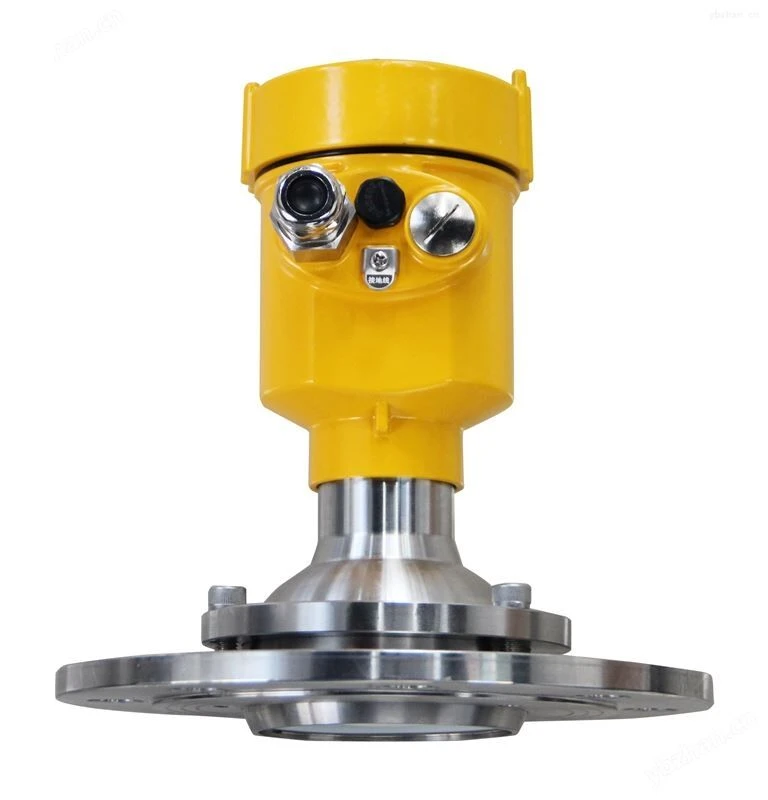 Radar Level Sensors
Reads through vapor, dust and foam; for liquids, solids and corrosives.
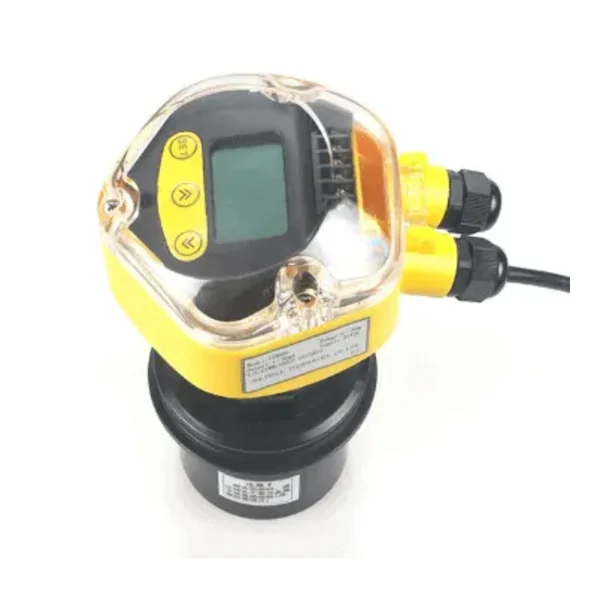 Ultrasonic Level Sensors
Lower-cost non-contact level for clean, low-dust vessels.
Continuous contact level sensors
The sensor sits in the product and reads level continuously. These handle foam and vapor that defeat a beam, and reach the highest accuracy.
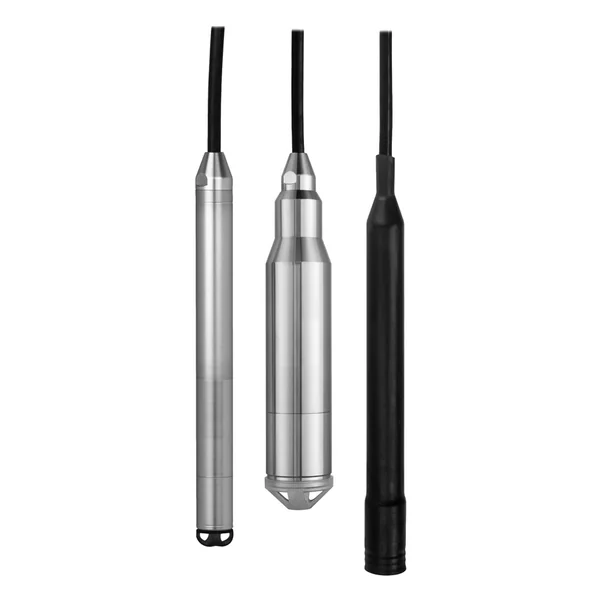 Hydrostatic Level Sensors
Submersible and flush transmitters for tanks, wells and sumps.
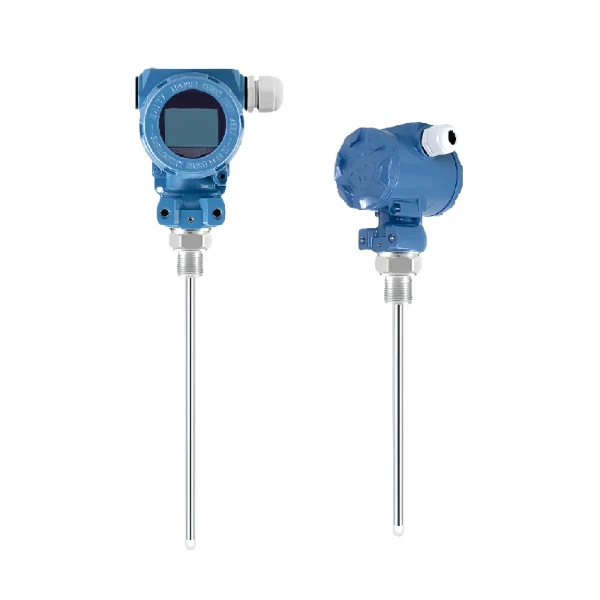 Capacitance Level Sensors
Capacitance and RF admittance for foamy, coating media.
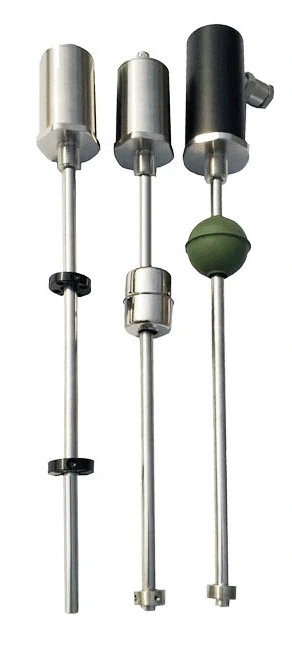 Magnetostrictive Level
Millimeter accuracy for custody and inventory tanks.
Point level and visual indicators
For a high or low alarm, pump control, or a local visual reading without power.
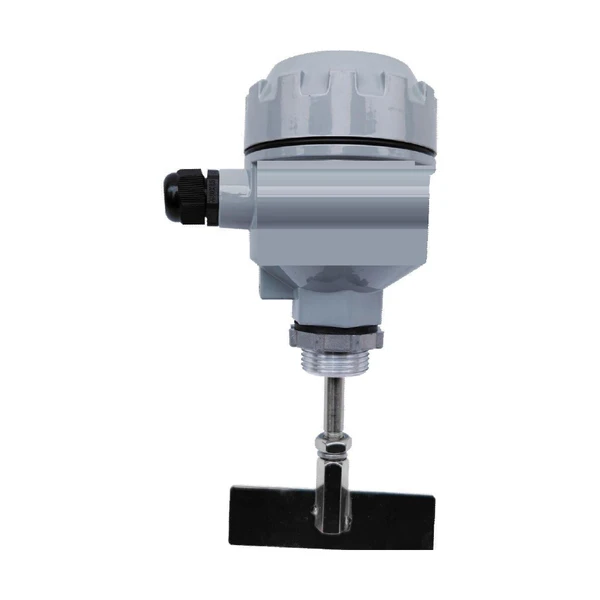 Point Level Switches
Tuning fork, rotary paddle, float and ultrasonic point switches.
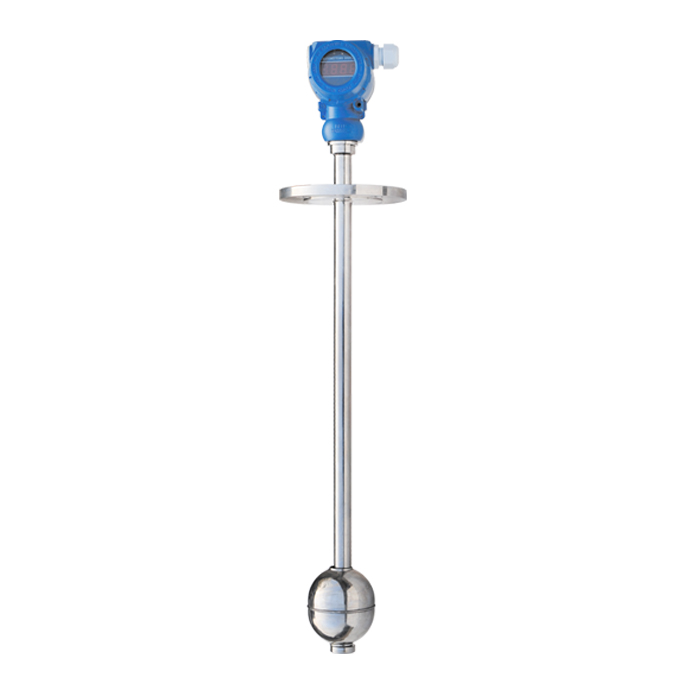 Float Level Sensors
Single and multipoint magnetic float level sensors and switches for tanks, sumps and pumps.
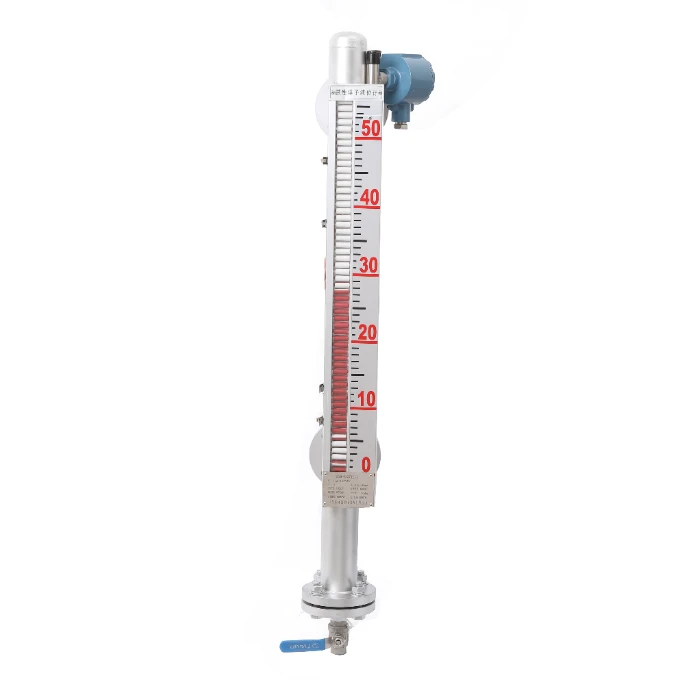 Magnetic Level Gauges
Bypass visual indicator readable at a glance, no power needed.
Choosing a level measurement method
Match the method to the medium and the conditions first; each page then helps you size the specific model.
| Your situation | Method |
|---|---|
| Non-contact, vapor, dust or foam, any tank | Radar |
| Non-contact, clean and low-dust, lower cost | Ultrasonic |
| Bottom-up reading, deep tanks, wells and sumps | Hydrostatic |
| Foam or coating media, contact acceptable | Capacitance / RF |
| Highest accuracy for custody or inventory | Magnetostrictive |
| Simple high or low alarm, or pump on/off | Float switch |
| Local visual reading at the vessel, no power | Magnetic level gauge |
New to the subject? Our guide to level transmitter types compares all nine technologies side by side, with a selection table by process condition.
Working on a pressurized tank? See propane and LPG tank level sensors for the retrofit and fill limit rules.
FAQ
What is the purpose of a level sensor?
A level sensor tells you how much liquid or solid is in a vessel, continuously or at a set point. That reading drives inventory and custody figures, keeps a process at the right fill, protects pumps from running dry and tanks from overflowing, and feeds the control system that automates filling and emptying.
What type of sensor is a level sensor?
There is no single type; level is measured several ways. Non-contact radar and ultrasonic read from the top, hydrostatic and capacitance read from inside the liquid, magnetostrictive uses a float and a wire for high accuracy, and float switches and magnetic gauges handle point alarms and local indication. The method is chosen by the medium and the conditions, which is what the groups above set out.
What is the best sensor to measure water level?
For a clean water tank, radar and ultrasonic both work non-contact from the top, while a hydrostatic submersible probe reads from the bottom where top access is awkward or the tank is deep. In dusty, foamy or pressurized water service, radar is the most dependable; for a simple pump or alarm, a float switch is enough.
Request a quote
Quote checklist, send these five points: the medium and whether it foams, coats or carries dust; the vessel type and measured range; the process temperature and pressure; continuous or point measurement; and whether you need a hazardous-area rating. Tell us the application and we point you to the right method and model.
Written and technically reviewed by the Instranova engineering team, last reviewed 2026-06-21. Based on the Instranova level instrument range plus field experience across water, wastewater, chemical and bulk-solids service. Questions? Reach our application engineers.