Flow Meters › Differential Pressure Flow Meters
Differential pressure flow meters put a constriction in the pipe, which creates a pressure drop, and read flow from that drop. It is the most used flow measurement technique in industry, with no moving parts in the line, and it suits clean liquid, gas, and steam from small bore to very large pipe. The element sets the cost, the pressure loss, and the turndown.
Differential pressure flow meters
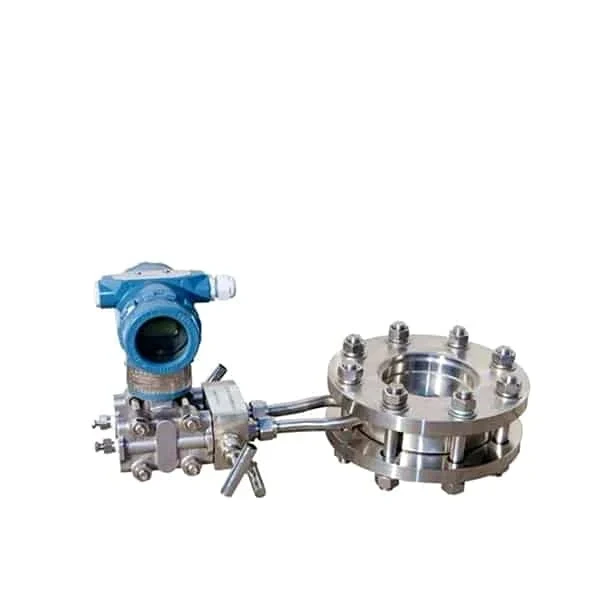 Orifice Plate Flow Meter
The standard, low-cost DP meter for clean liquid, gas, and steam. Made to ISO 5167, with a DP transmitter.
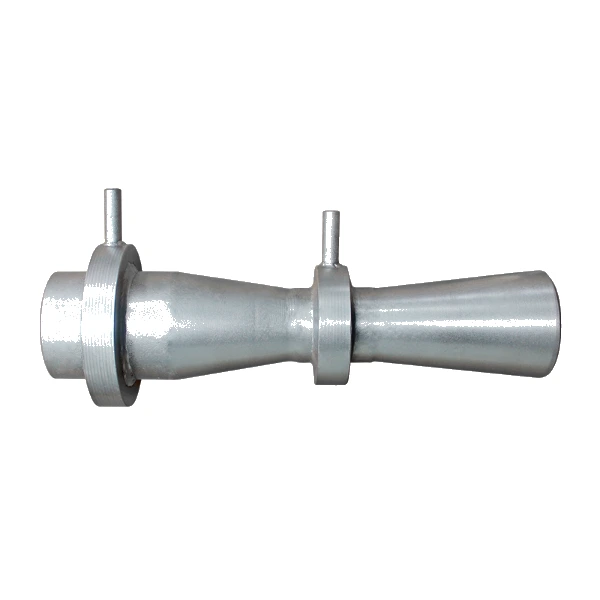 Venturi Flow Meter
A classical venturi tube with low permanent head loss for large pipes and dirty service.
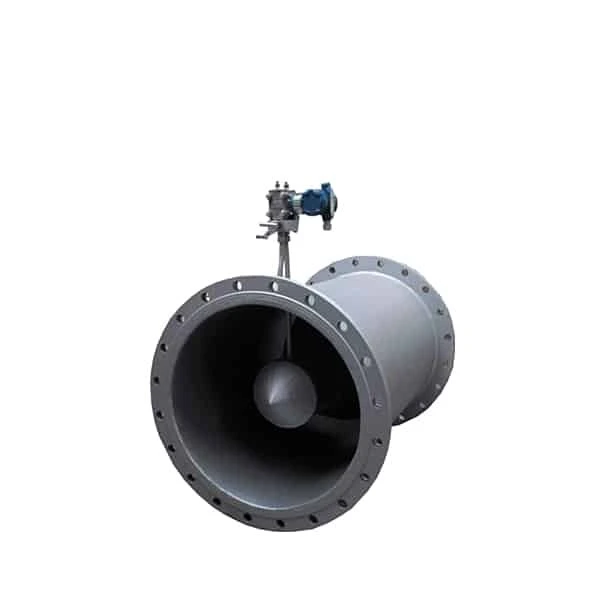 V-Cone Flow Meter
An inner-cone DP sensor with very short straight runs and a wide turndown for tight piping and dirty service.
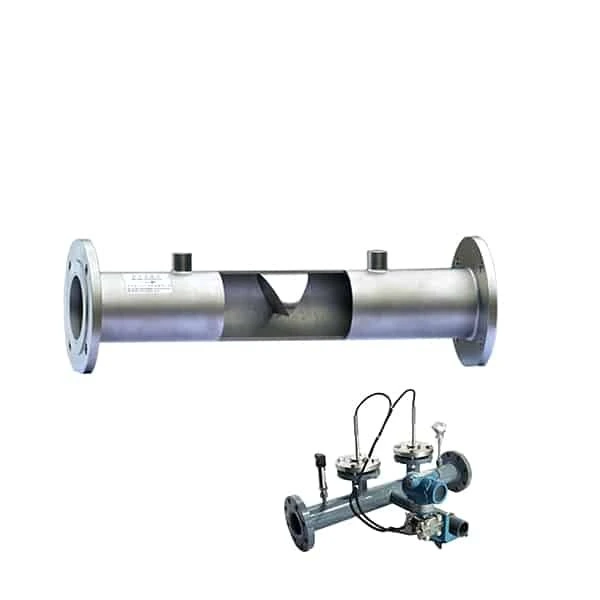 Wedge Flow Meter
A V-wedge DP meter that does not clog, for viscous, dirty, and slurry fluids and low Reynolds numbers.
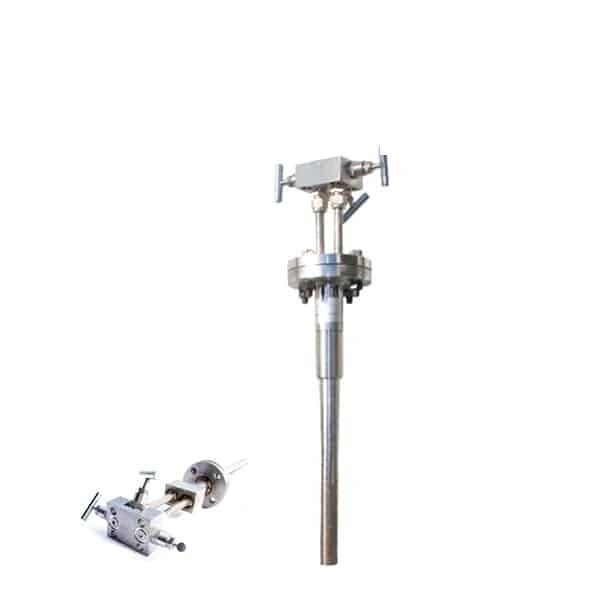 Averaging Pitot Tube Flow Meter
An annubar-type insertion probe with the lowest pressure loss, for big pipes, ducts, and hot-tap retrofits.
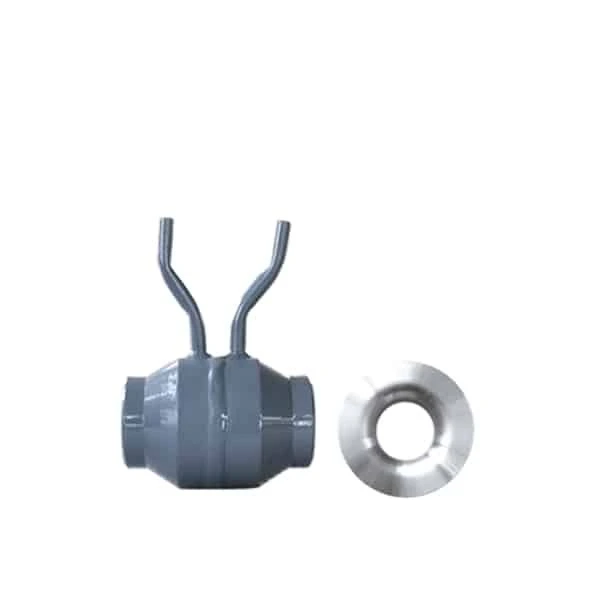 Flow Nozzle Flow Meter
A rugged ISA 1932 nozzle for high-temperature, high-pressure steam, with lower loss than an orifice.
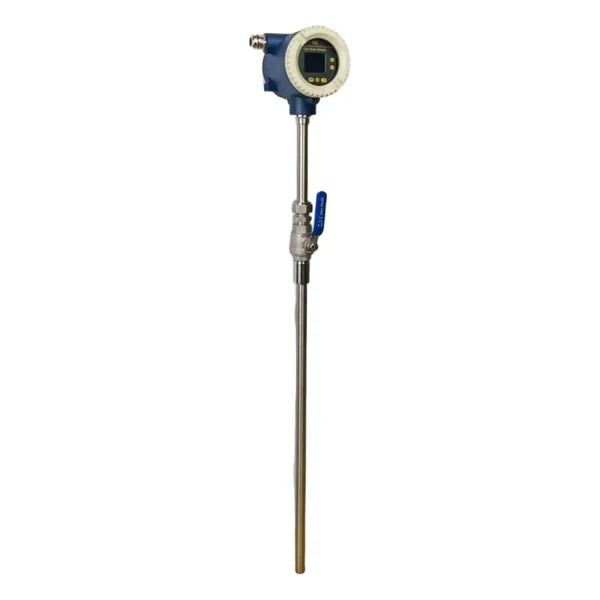 High Temperature Gas Flow Meter
Insertion airspeed probe for hot gas to 800 C (1500 C special); flue, exhaust, and combustion air.
Choosing a differential pressure element
| Element | Best for |
|---|---|
| Orifice plate | Lowest cost, most common, clean liquid, gas, and steam; higher pressure loss. ISO 5167 |
| Venturi tube | Low permanent pressure loss, large flow, energy saving; higher cost |
| Flow nozzle | High-velocity steam and gas, more rugged than an orifice at speed |
| Wedge | Dirty, viscous, and slurry flow that would foul an orifice |
| Averaging pitot (Annubar) | Insertion into large pipe, very low pressure loss, easy retrofit |
Tell us the line size, the fluid, the flow, and the loss budget and we set the element and the transmitter.
New to DP flow measurement? The flow rate and pressure relationship guide explains why flow follows the square root of the pressure drop and what that means for turndown, and the flow rate from pressure calculator turns a DP reading into a flow estimate.
Orifice and DP elements are the most sensitive to upstream disturbance. See the straight run requirements by meter type, including the ISO 5167 numbers.
Measuring gas or steam through a DP element and need mass flow instead of raw volume? Our guide to pressure and temperature compensation walks through the correction formulas and worked examples.
Sizing the line itself? Our guide to the pressure drop formula walks the Darcy-Weisbach calculation step by step, including the permanent loss a flow element adds to the run.
When the transmitter on any of these elements is set for square root output, the conversion math and bench check points are in our linear to square root calculator.
The square-root equation that every element on this page shares is explained, with worked examples, in our differential pressure flow calculation guide.
FAQ
What is a differential pressure flow meter?
It is a flow meter that puts a constriction, such as an orifice plate or a venturi, in the pipe, and reads the pressure drop across it. Flow follows the square root of that drop, so a differential pressure transmitter computes the flow. It has no moving parts in the line and is the most used flow technique in industry.
Which differential pressure element should I use?
An orifice plate is the lowest cost and most common, with a higher pressure loss; a venturi recovers most of the pressure for low loss at higher cost; a wedge suits dirty or viscous fluid; and an averaging pitot inserts into large pipe for very low loss. The choice is set by line size, fluid, and loss budget.
Request a quote
Tell us the line size, the fluid, the flow range, and the pressure, and we set the element and the transmitter.