Home › Level Instruments › Hydrostatic Level Sensors
A hydrostatic level sensor reads level from the pressure of the liquid column above it: the deeper the liquid, the higher the pressure, following P = rho g h. It is simple, accurate and unbothered by foam, vapor or tank shape. Instranova builds submersible and flush-mounted versions for tanks, wells, sumps and corrosive service. Pick by where it mounts and what it touches; the pages below give real specifications and a quote checklist.
Our hydrostatic and submersible level sensors
A flush transmitter mounts at the tank bottom; a submersible probe drops in on a cable. Wetted material and cable length follow the medium and the depth.
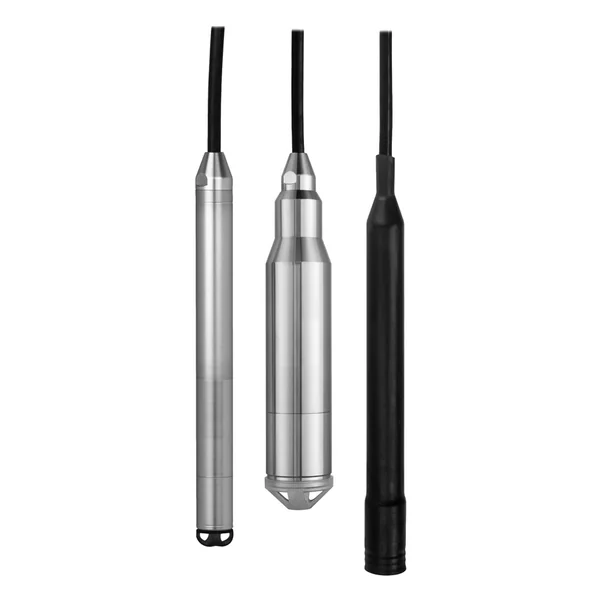 Hydrostatic Level Transmitter (SI-151)
Flush or submersible P = rho g h level for tanks and basins.
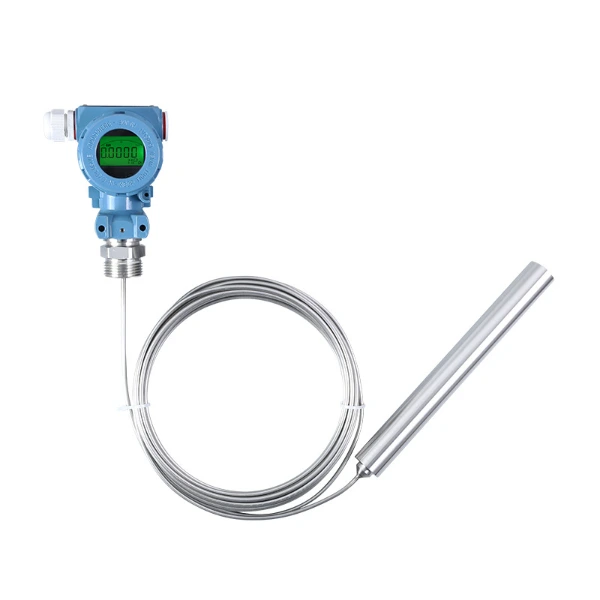 Stainless Steel Submersible
Drop-in probe on a vented cable for sumps and lift stations.
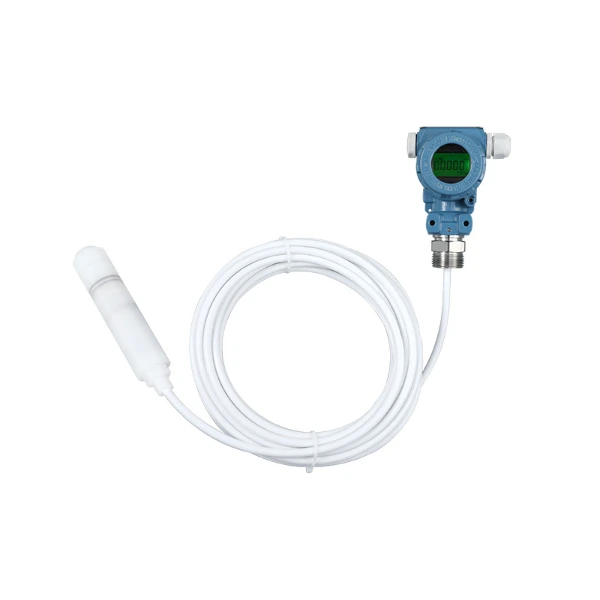 Anti-corrosive Submersible (SI-302)
Fluoropolymer-faced probe for acid, caustic and sewage.
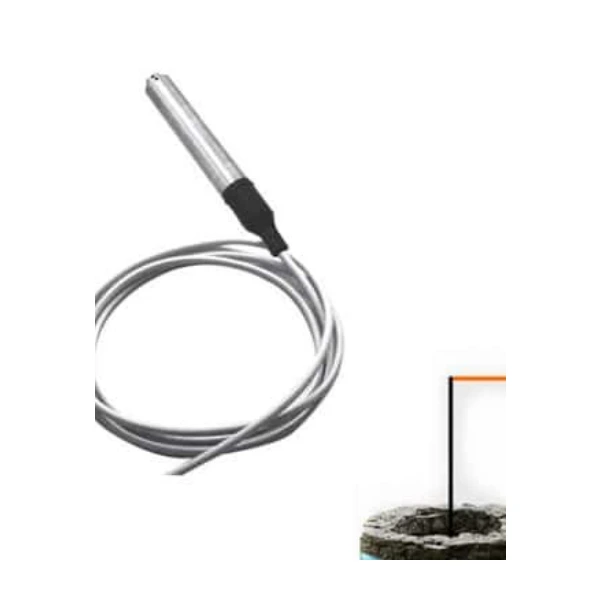 Deep Well Water Level Sensor (SI-PCM260)
Narrow probe and long cable for boreholes to 1000 m.
Hydrostatic Pressure TransmitterFlush-diaphragm transmitter at the bottom of a vessel.
Choosing a hydrostatic level sensor
Start with where it mounts and what it touches, then the depth.
| Your job | Pick | Why |
|---|---|---|
| General tank or basin, flush or submersible | Hydrostatic Level Transmitter | Versatile P = rho g h for clean media |
| Open sump, lift station, water tank | Stainless Submersible | Drop-in probe, vented cable, easy install |
| Acid, caustic or sewage | Anti-corrosive Submersible | Fluoropolymer wetted parts resist attack |
| Borehole or deep well, hundreds of meters | Deep Well Water Level | Slim body and long cable for narrow casing |
| Sealed or pressurized vessel | DP Level Transmitter | Low side on the vapor space cancels gas pressure |
Hydrostatic needs a known liquid density and a wetted probe. Where the medium foams or coats, or you prefer non-contact, compare with a radar or ultrasonic sensor.
To compare hydrostatic measurement with radar, ultrasonic and the other technologies, see our level transmitter types guide.
To turn a pressure reading into a level figure, or size a span from the tank height and specific gravity, use our hydrostatic pressure calculator; it also converts a 4-20 mA reading straight to level.
Buried tanks bring their own cable and vent rules; the underground tank level measurement guide covers them.
Two application guides put these sensors in field context: river and reservoir water level measurement and measuring well water level.
FAQ
What is a hydrostatic level sensor?
A hydrostatic level sensor measures liquid level from the pressure that the liquid column exerts at the bottom. That pressure equals density times gravity times height, so dividing the measured pressure by the known density and gravity gives the level directly. The sensor sits at or near the bottom, either flush in the wall or submerged on a cable.
What is the main advantage of hydrostatic level sensing?
It reads the true liquid head regardless of the headspace, so foam, vapor, dust and an irregular tank shape do not fool it the way they can fool a sound or microwave beam. The hardware is simple and accurate, and a submersible probe installs in minutes in a sump or well without cutting into the tank.
What is a disadvantage of a hydrostatic level sensor?
It depends on a known, stable liquid density, so a changing specific gravity shifts the reading, and because it is a contact device the diaphragm can coat or corrode in aggressive media. A vented cable or vent must keep the back of the cell at atmosphere; in a sealed or pressurized vessel a differential pressure transmitter, with its low side on the vapor space, is used instead.
Request a quote
Quote checklist, send these five points: flush or submersible mounting; the level range and the medium with its density; the wetted material needed; the cable length for a submersible probe; and whether you need a hazardous-area rating. Tell us the application and we configure one unit, not a shelf part.
Written and technically reviewed by the Instranova engineering team, last reviewed 2026-06-21. Based on the Instranova hydrostatic and submersible level datasheets plus field experience in water, wastewater and chemical service. Questions? Reach our application engineers.