Home › Level Instruments › Ultrasonic Level Sensors
An ultrasonic level sensor measures level without touching the liquid, by timing an ultrasonic pulse that echoes off the surface. It is a clean, low-cost way to read level or set an alarm in tanks, sumps and open channels. Instranova builds a continuous transmitter and a point-level switch; pick by whether you need a reading or a trip. The pages below give real specifications and a quote checklist.
Our ultrasonic level sensors
A transmitter gives a continuous 4-20 mA reading; a switch gives a relay trip at a set point for alarm or pump control.
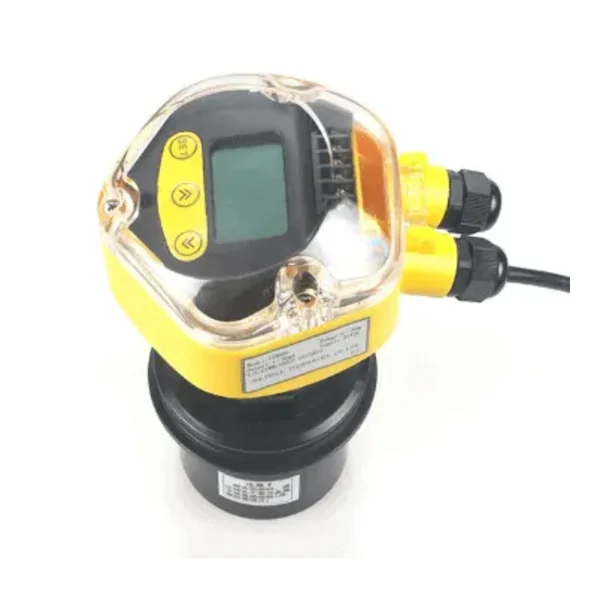 Ultrasonic Level Transmitter
Continuous non-contact level with a 4-20 mA output.
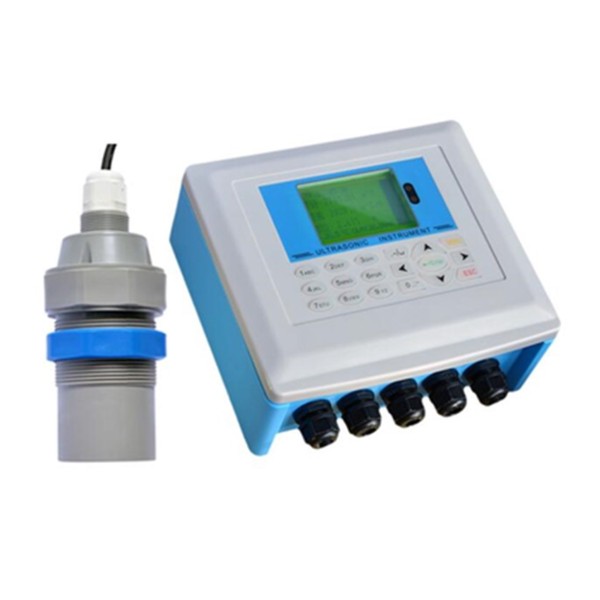 Split Ultrasonic Level Transmitter
Split type with remote sensor and controller; non-contact to 30 m, 4-20 mA and four relays.
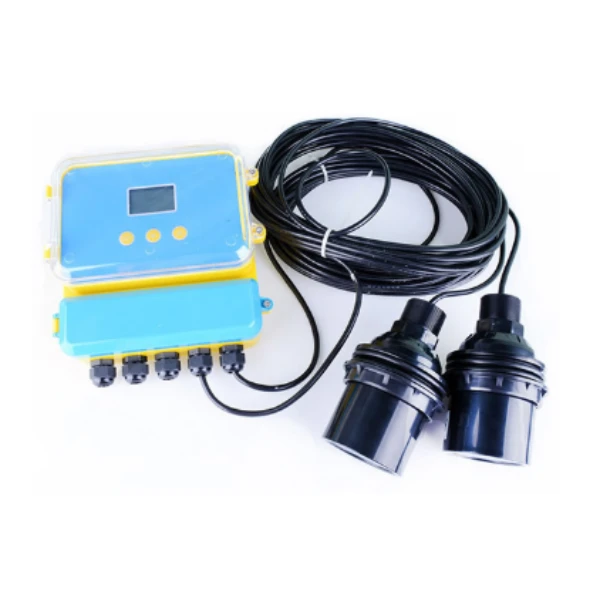 Ultrasonic Level Detector
Split detector (ULT-200) with control relays for pump start/stop and high/low alarm.
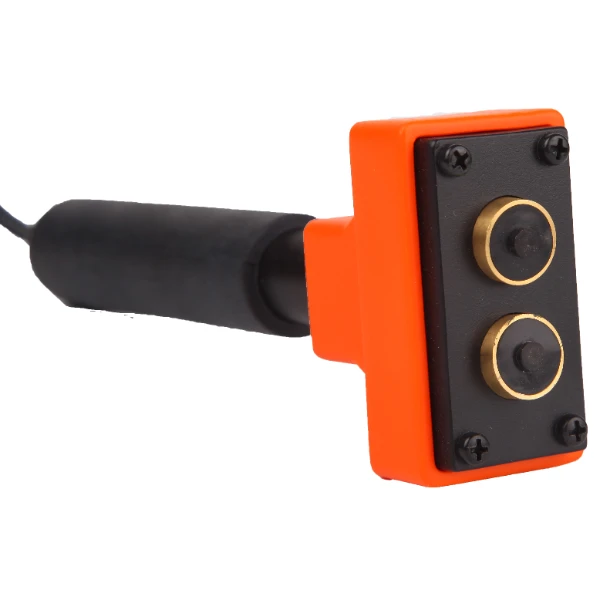 Ultrasonic CO2 Level Indicator
Portable handheld tool (SI-ML) to check CO2 and clean-agent cylinder level from outside.
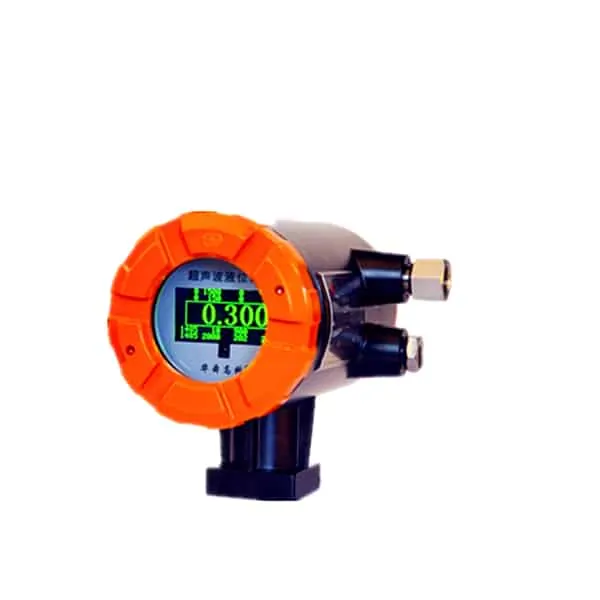 External Ultrasonic Tank Level Sensor
Non-invasive sensor (HS-2000) bonded outside the tank, reads level through the wall.
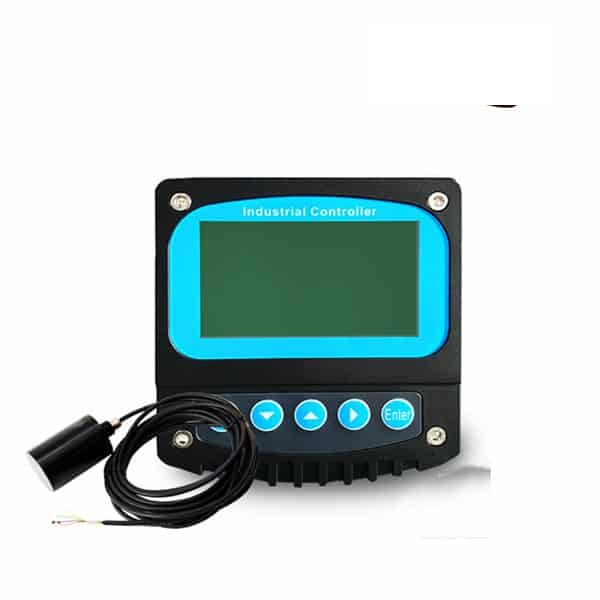 Ultrasonic Sludge Level Meter
Tracks the sludge blanket interface in clarifiers and switches desludge relays.
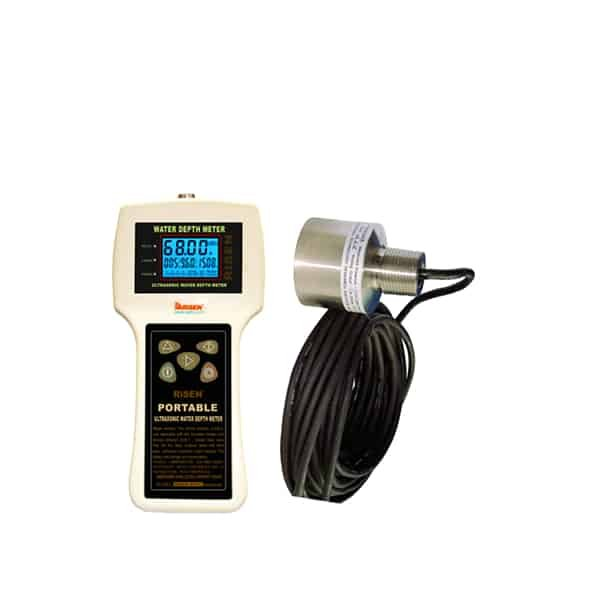 Portable Water Depth Gauge
Handheld ultrasonic echo sounder (HS-SFCC) for river, reservoir and dredging depth.
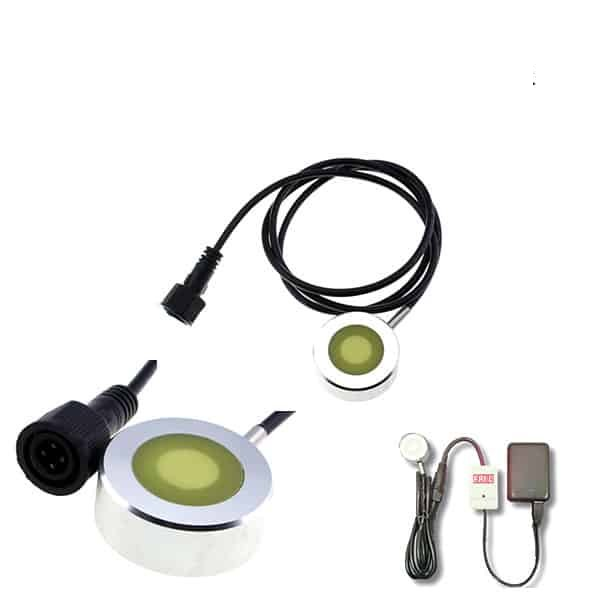 Ultrasonic Oil Level Sensor
External paste sensor for truck and fleet fuel tanks; no hole, RS232/RS485 for GPS.
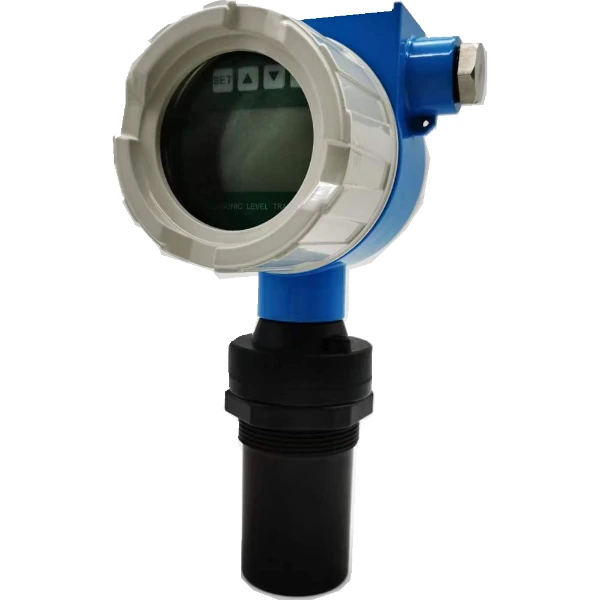 Explosion-Proof Ultrasonic Level Transmitter
Top-mounted flameproof Exd IIC T6 transmitter for flammable liquids in hazardous areas.
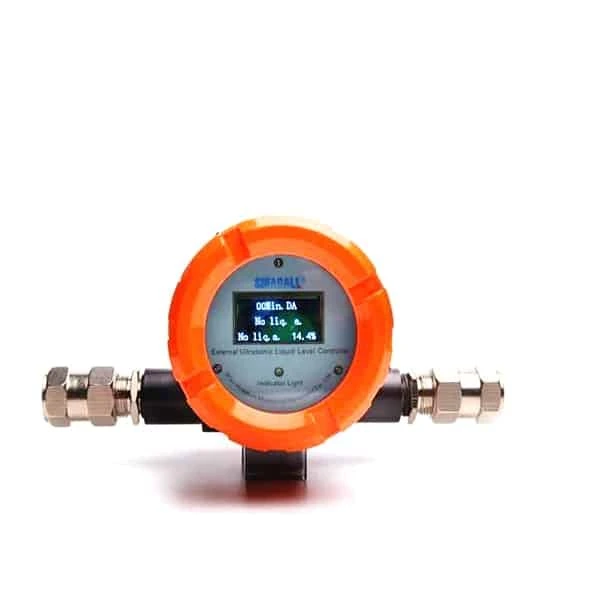 Ultrasonic Level Switch
External, non-invasive point switch for high/low alarms.
Choosing an ultrasonic level sensor
Decide whether you need a continuous reading or a point trip, then check the headspace conditions.
| Your need | Pick | Why |
|---|---|---|
| A continuous level value to the control system | Ultrasonic Level Transmitter | 4-20 mA proportional to the measured level |
| A high or low alarm, or pump on/off | Ultrasonic Level Switch | Relay trip at a set point, non-invasive |
| Heavy vapor, foam, dust, or a sealed pressure vessel | Radar instead | Sound slows in vapor; radar holds its reading |
Ultrasonic suits clean, low-dust vessels at a lower cost. Where vapor, dust or pressure rule it out, step up to a radar level sensor; for bottom-up measurement in deep or sealed tanks, see hydrostatic level sensors.
In agitated vessels a stilling pipe gives the transducer a calm echo surface; the stilling well guide covers pipe sizing and hole patterns.
For a side-by-side of ultrasonic against radar, hydrostatic and the other options, see our level transmitter types guide.
For the numbers behind ultrasonic against radar alone, from temperature and vapor error to beam spot and blind zone, see ultrasonic vs radar level sensor.
FAQ
What is an ultrasonic level sensor?
An ultrasonic level sensor sends a high-frequency sound pulse down at the liquid, times the echo that bounces back from the surface, and converts the round-trip time to a distance and then a level. Because the pulse travels through air, the sensor never touches the product, so there is nothing to wear, coat or clean.
What are the disadvantages of an ultrasonic level sensor?
The speed of sound changes with the air in the headspace, so heavy vapor, foam, dust and big temperature swings cut accuracy, and ultrasonic cannot work in a vacuum or a pressurized vessel where there is no stable air path. For those conditions a radar sensor is the better choice; for clean, vented tanks, ultrasonic is reliable and economical.
What is the best sensor to measure water level?
For a clean water tank or sump, both ultrasonic and hydrostatic work well. Choose ultrasonic for non-contact mounting from the top, and a hydrostatic submersible probe where top access is awkward or the tank is deep. In dusty, foamy or pressurized water service, a radar sensor is more dependable.
Request a quote
Quote checklist, send these five points: continuous or point measurement; the measured range and tank height; the medium and headspace conditions (vapor, foam, dust); the mounting and fitting; and whether you need a hazardous-area rating. Tell us the application and we configure one unit, not a shelf part.
Written and technically reviewed by the Instranova engineering team, last reviewed 2026-06-21. Based on the Instranova ultrasonic level datasheets plus field experience in water, wastewater and process service. Questions? Reach our application engineers.