Products › Torque Sensors › Rotary Torque Sensors
Rotary Torque Sensors
Rotary torque sensors measure torque on a turning shaft, in line between a drive and its load. Our non-contact series transfers signal and power across an air gap, so there are no slip rings or brushes to wear, the sensor runs at high speed, and it reports torque, speed and power together. Pick by torque range and shaft speed below.
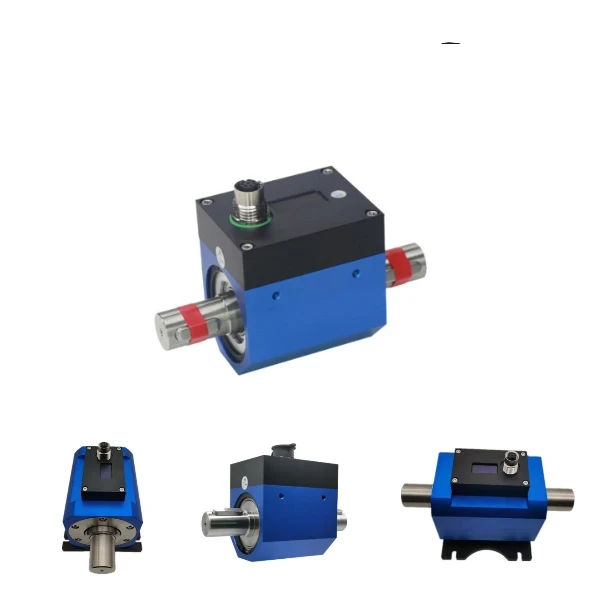 Rotary Torque Sensor
Model: WTQ-1050 / 1060 series
Range: 2 N·m to 2 kN·m
Speed: up to 15,000 rpm
Output: torque + speed + power
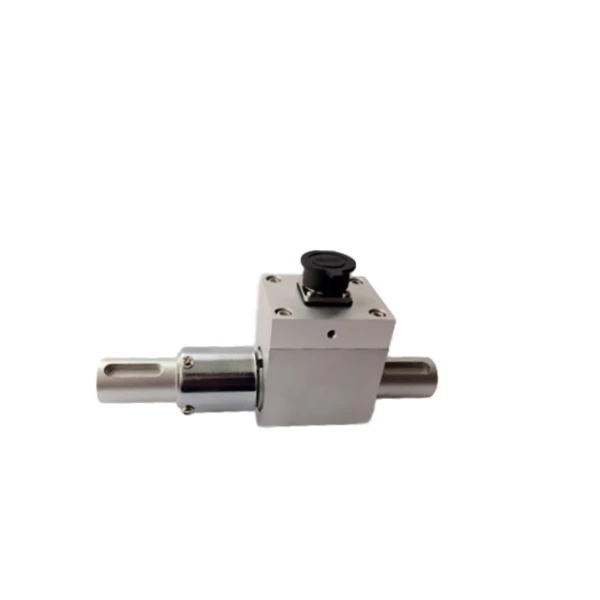 Micro Torque Sensor
Model: WTQ-1050D (contact)
Range: 0.05 to 5 N·m
Build: contact (brush)
Best for: micro-motors, viscometers
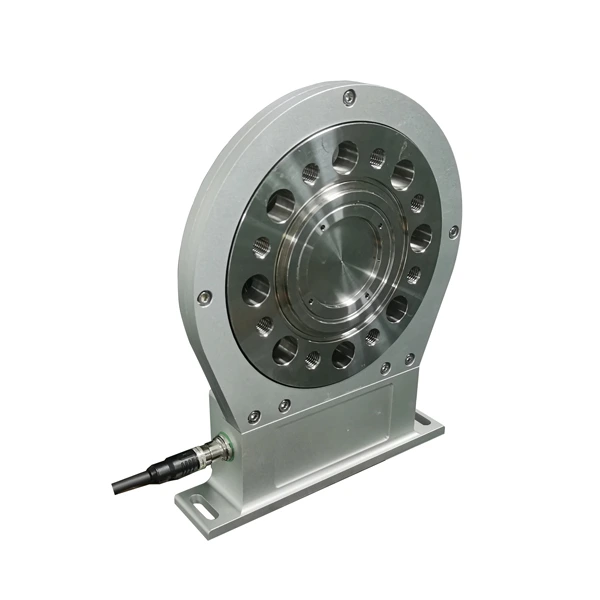 Inline Torque Sensor
Model: N40B
Range: 50 N·m to 10 kN·m
Type: bearingless disc coupling, contactless
Speed: up to 30,000 rpm
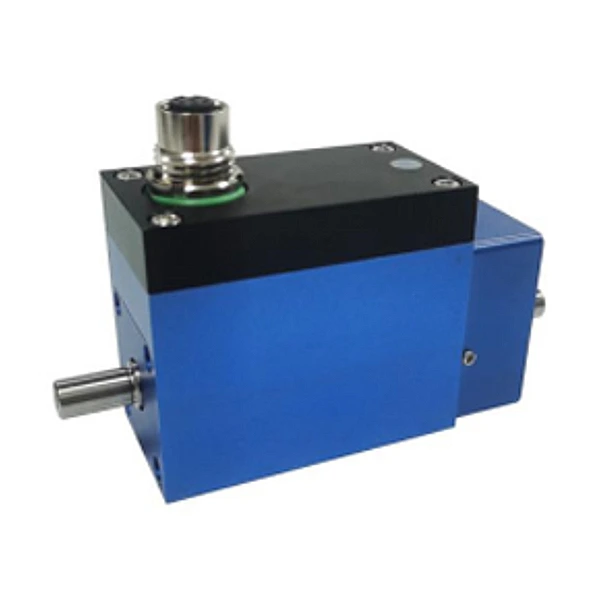 Torque Sensor with Encoder
Model: WTQ2500
Range: 0.1 to 5 N·m
Speed: up to 15,000 rpm
Encoder: built-in (angle + speed)
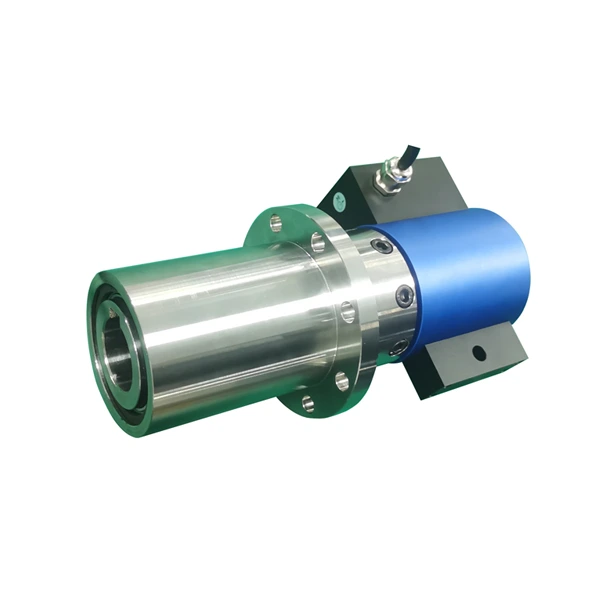 Pulley Torque Sensor
Model: WTQ2071
Range: 50 and 100 N·m
Speed: up to 12,000 rpm
Type: belt-driven pulley
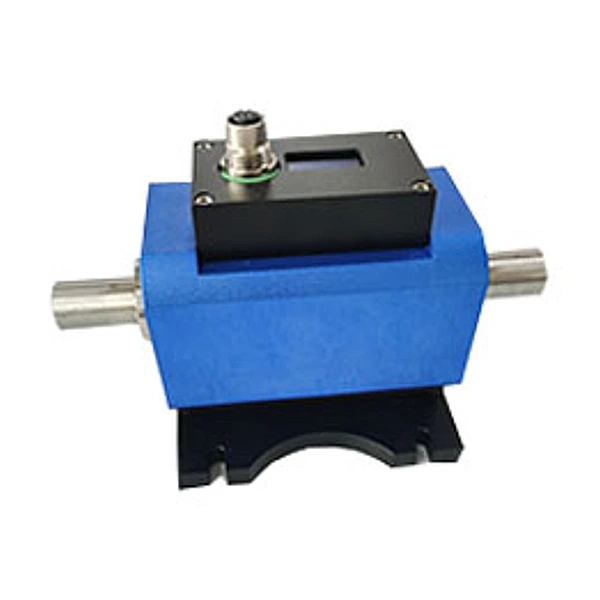 Non-Contact Torque Sensor
Model: WTQ2051
Range: 5 N·m to 5,000 N·m
Speed: up to 15,000 rpm
No slip rings, maintenance-free
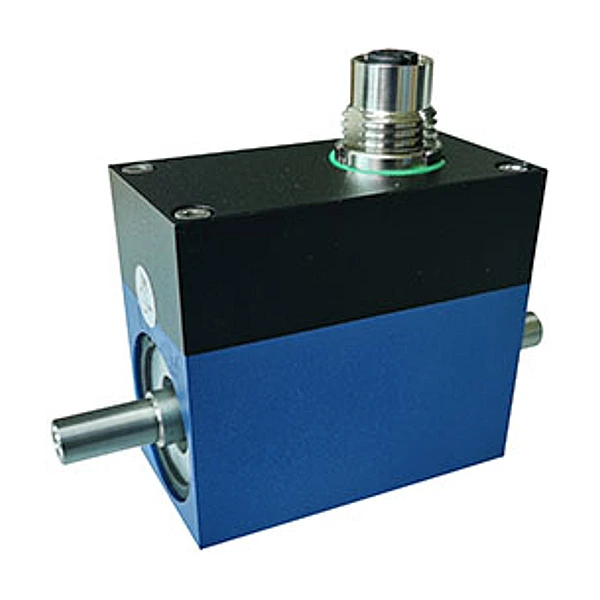 Dynamic Torque Sensor
Model: WTQ2050
Range: 0.1 N·m to 5 N·m
Speed: up to 8,000 rpm
Compact, non-contact
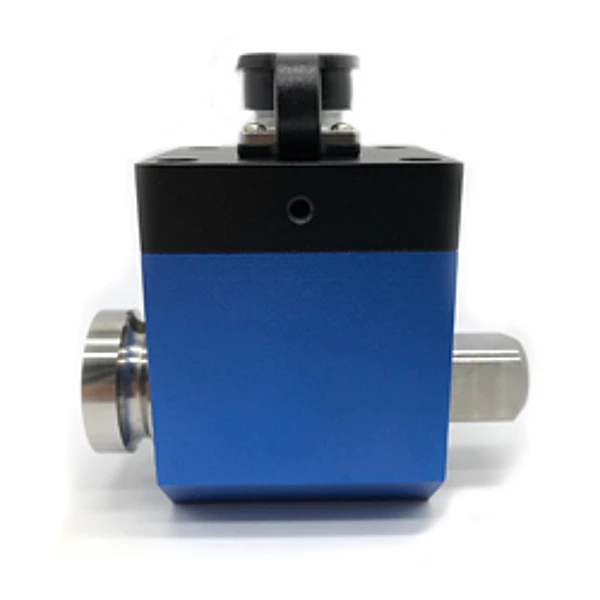 Square Drive Torque Sensor
Model: WTQ-1010
Range: 5-1,000 N·m
Drive: square hole + square shaft
Output: mV/V, 4-20 mA opt
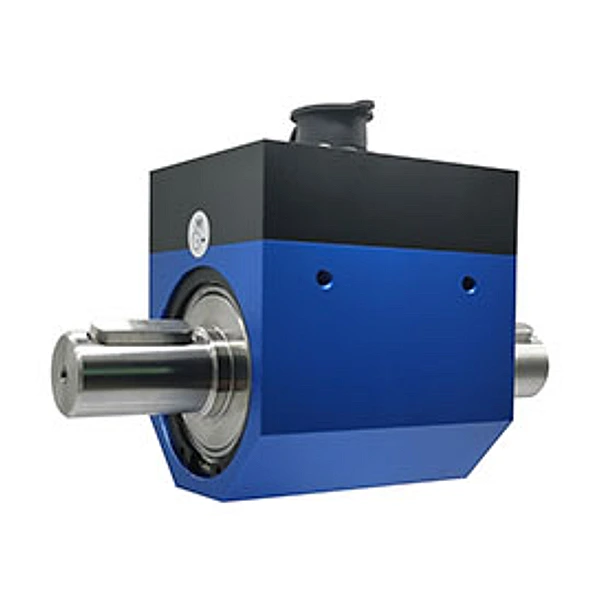 Digital Non-Contact Torque Sensor
Model: WTQ2050A
Range: 5-500 N·m
Speed: 8,000 rpm
Output: freq, 4-20 mA, RS485
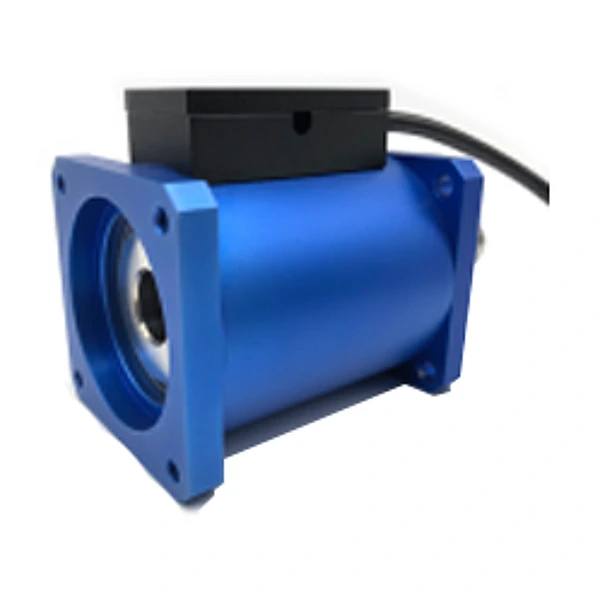 Keyed Shaft Torque Sensor
Model: WTQ-1055
Range: 3-100 N·m
Coupling: keyed both ends
Output: mV/V, 4-20 mA opt
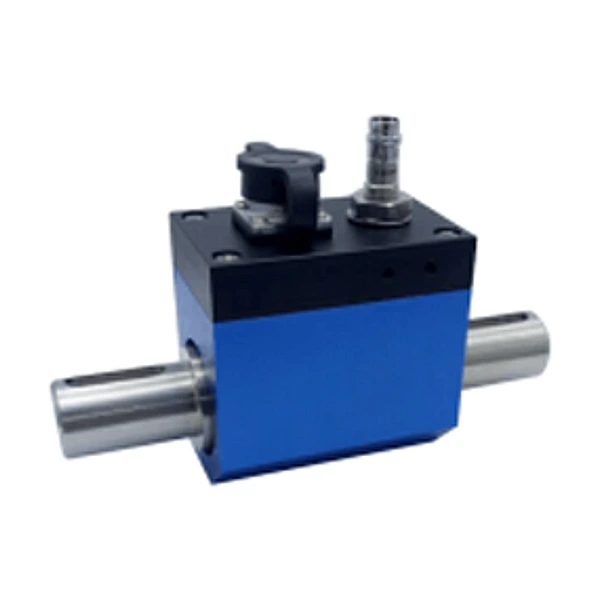 Torque and Speed Sensor
Model: WTQ-1060
Range: 0.2-5,000 N·m
Outputs: torque + speed
Type: dynamic, keyed
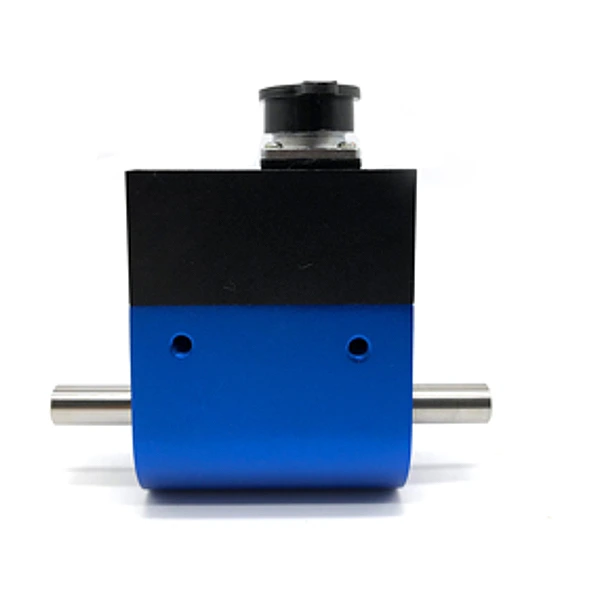 Non-Contact Micro Torque Sensor
Model: WTQ-1050E
Range: 0.1-5 N·m
Type: non-contact micro
Build: no slip rings, high-speed
Choosing a rotary torque sensor
Match the sensor to your torque range and shaft speed. If the torque is on a stationary flange rather than a spinning shaft, use a reaction torque sensor instead.
| Series | Torque range | Max speed | Signal and mounting | Best for |
|---|---|---|---|---|
| WTQ-1050 / 1060 | 2 N·m to 2 kN·m | up to 15,000 rpm | OLED; torque, speed, power | General test benches and motors |
| WTQ-1050D | 0.05 to 5 N·m | Bench / intermittent | mV/V bridge | Micro-motors, viscometers |
| N40B | 50 N·m to 10 kN·m | up to 30,000 rpm | Bearingless disc coupling | Large or in-line drivetrains |
| WTQ2500 | 0.1 to 5 N·m | up to 15,000 rpm | Built-in encoder | Torque, speed and angle in one unit |
| WTQ2071 | 50 and 100 N·m | up to 12,000 rpm | Belt-driven pulley | Belt and pulley drives |
| WTQ2051 | 5 to 5,000 N·m | up to 15,000 rpm | Non-contact, no slip rings | High-range continuous testing |
| WTQ2050 | 0.1 to 5 N·m | up to 8,000 rpm | Compact, non-contact | Small low-torque drives |
| WTQ-1010 (Square drive) | 5-1,000 N·m | Bench / intermittent | Square hole + shaft, brush | Torque-wrench and tool testing |
| WTQ2050A (Non-contact) | 5-500 N·m | 8,000 rpm | Non-contact, freq + 4-20 mA | Mid-range drive and motor testing |
| WTQ-1055 (Keyed shaft) | 3-100 N·m | Bench / intermittent | Keyed both ends, brush | Small drive and gearbox bench tests |
| WTQ-1060 (Torque+speed) | 0.2-5,000 N·m | dynamic | mV/V + speed, keyed | Motor efficiency (torque, speed, power) |
| WTQ-1050E (Non-contact micro) | 0.1-5 N·m | High-speed | Non-contact, keyed | High-speed micro torque |
Measuring torque on a stationary flange at 0 rpm? See reaction torque sensors.
FAQ
What is a rotary torque sensor used for?
It measures torque on a turning shaft, so engineers can verify the output of motors, engines, gearboxes, pumps and power tools on test benches and production lines. The shaft keeps spinning while the sensor reads live torque, and often speed and power as well.
Is a non-contact rotary torque sensor better than a slip-ring one?
For most modern test work, yes. A non-contact sensor has no brushes to wear, so it avoids brush noise and maintenance, runs at higher speed, and lasts longer. A slip-ring design can still be a lower-cost choice for low-speed or occasional use.
What torque range and shaft speed do these sensors cover?
The series spans 0.1 N·m of micro torque up to 10 kN·m, with shaft speeds to about 15,000 rpm depending on the model. Tell us your range and speed and we match the build.
Request a quote
Tell us the torque range, shaft speed and mounting, and we recommend a rotary torque sensor and send a quote.