Products › Torque Sensors › Reaction Torque Sensors
Reaction Torque Sensors
Reaction torque sensors measure torque on a stationary flange. The sensor is bolted between a fixed frame and the device under test, so it reads static or reaction torque at zero rpm, with no slip rings. Stiff and repeatable, they are the standard choice for torque-wrench calibration and motor or fastener bench tests. Pick by torque range and mounting below.
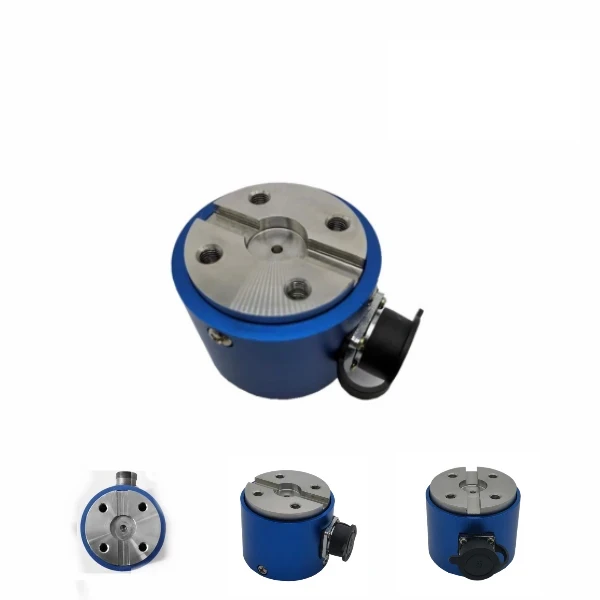 Reaction Torque Sensor
Model: WTQ-120 / 2150 series
Range: 0.1 N·m to 5,000 N·m
Style: flange, keyed, square-drive
Static (0 rpm), overload protected
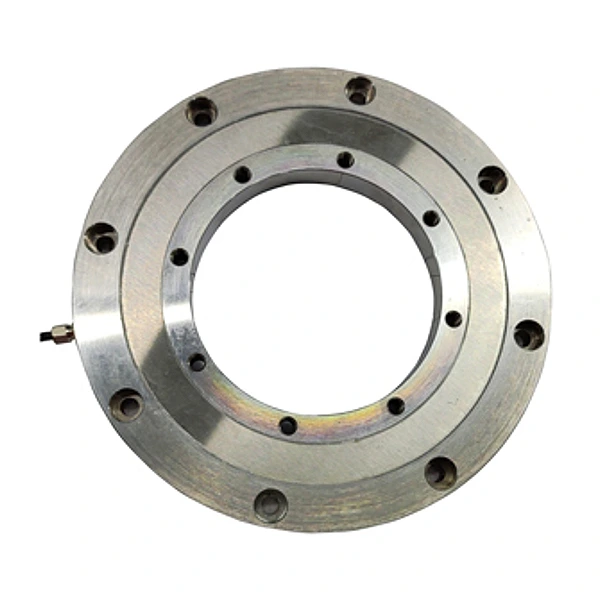 Flange Torque Sensor
Model: WTQ-9500
Range: 50 N·m to 1,000 N·m
Type: disc flange, static
Mounting: flange-to-flange, through bore
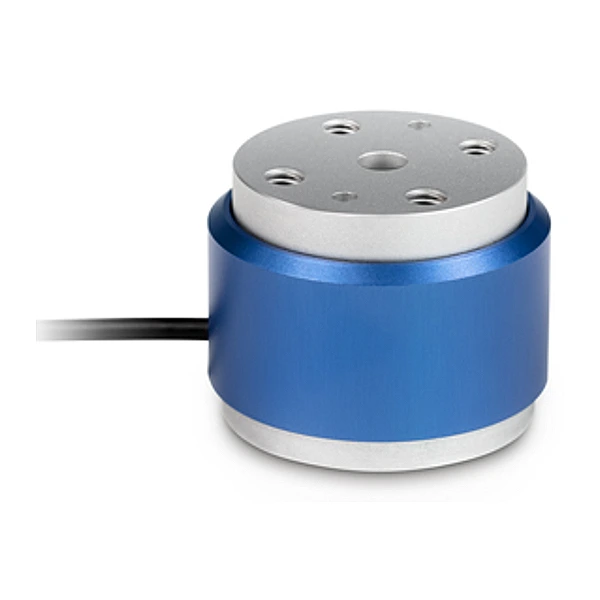 Micro Reaction Torque Sensor
Model: MRT
Range: 0.1 N·m to 20 N·m
Type: micro reaction, static
Mounting: compact dual flange
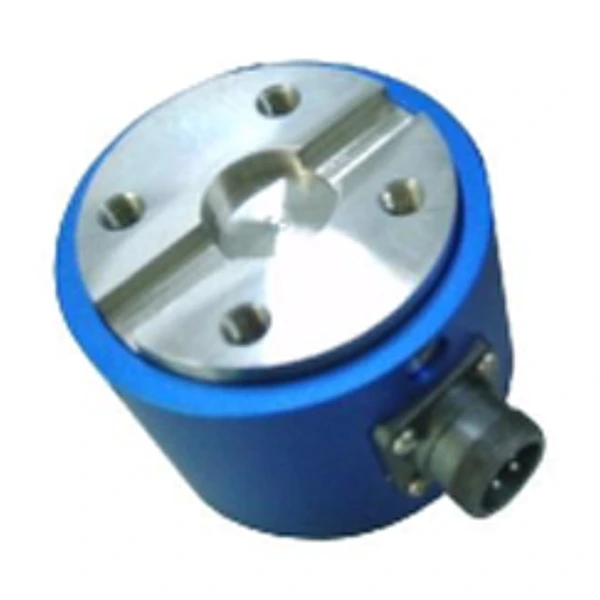 Static Torque Sensor
Model: WTQ-120
Range: 5 N·m to 200 N·m
Type: keyed shaft, static
Mounting: two-end keyed, in-line
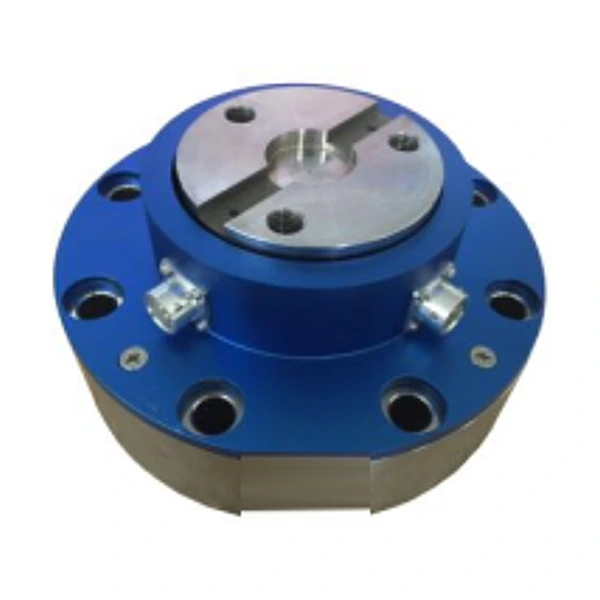 Dual Range Torque Sensor
Model: WTQ-2150
Ranges: 20/500 to 150/4000 N·m
Type: dual range, static
Two calibrated ranges in one
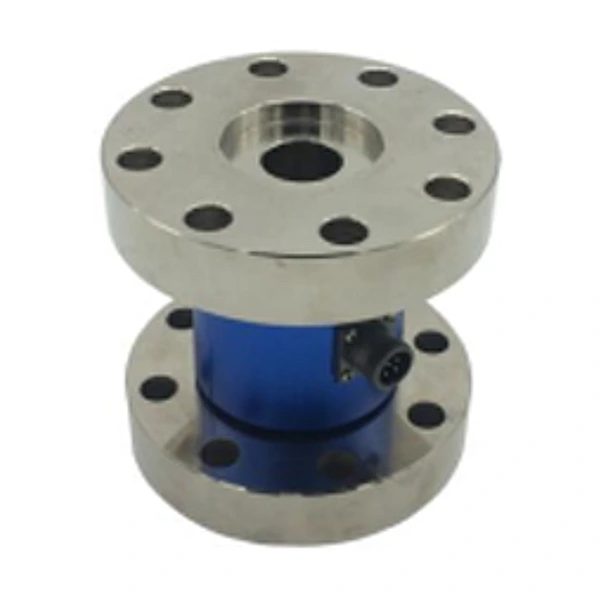 Static Flange Torque Sensor
Model: WTQ98
Range: 0.2 N·m-50 kN·m
Mounting: flange both ends
Type: static (reaction)
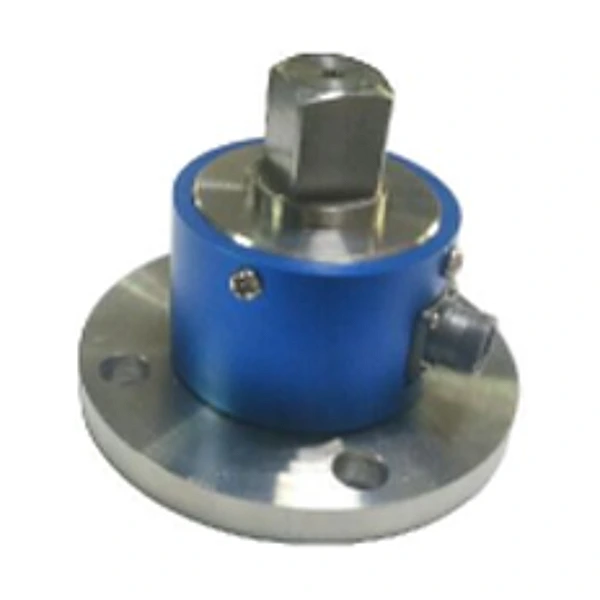 Square Drive Flange Torque Sensor
Model: WTQ-32
Range: 5-500 N·m
Mounting: square drive + flange
Type: static (reaction)
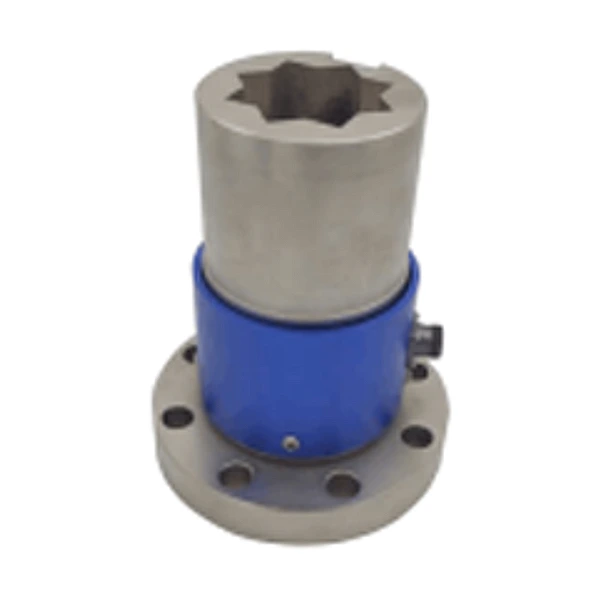 Keyed Flange Torque Sensor
Model: WTQ-22
Range: 50 N·m-10 kN·m
Mounting: key/square + flange
Type: static (reaction)
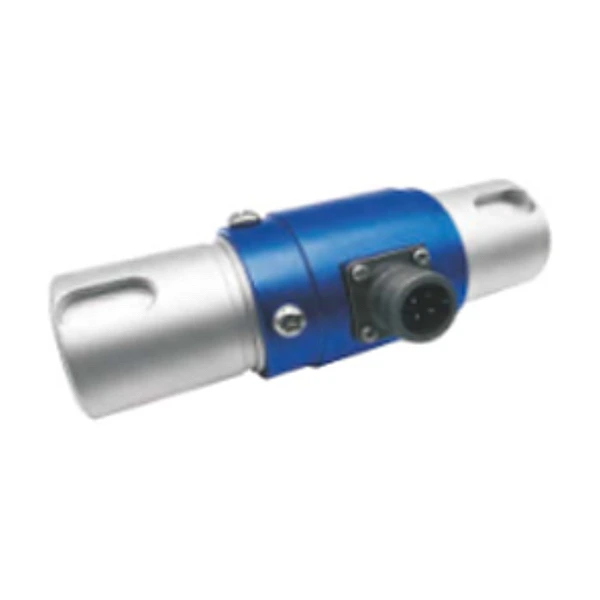 Keyed Reaction Torque Sensor
Model: WTQ17
Range: 0.2 N·m-5 kN·m
Mounting: key both ends
Type: static (reaction)
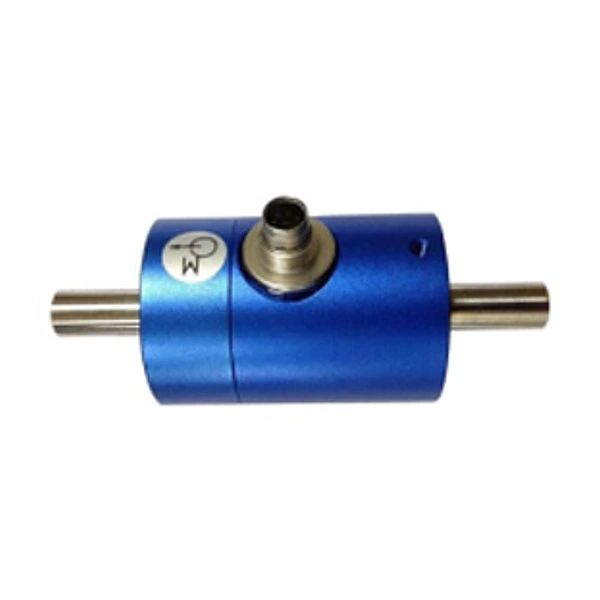 Low Range Reaction Torque Sensor
Model: WTQ-12
Range: 0.1-3 N·m
Type: low-range static
Output: 1.0-1.5 mV/V
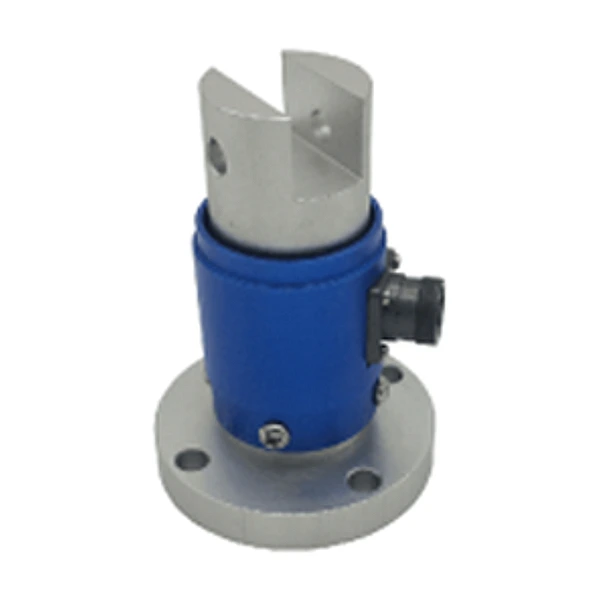 Miniature Keyed Flange Torque Sensor
Model: WTQ11A
Range: 0.2-100 N·m
Mounting: key + flange
Type: static (reaction)
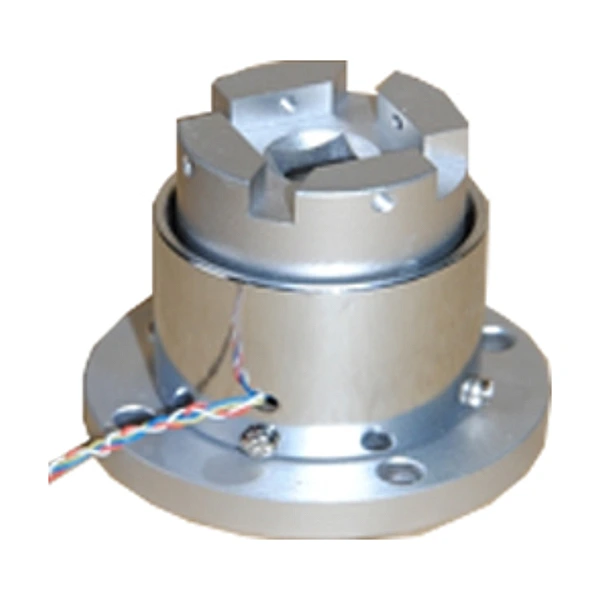 Compact Reaction Torque Sensor
Model: WTQ11B
Range: 0.2-50 N·m
Mounting: key + flange
Type: static (reaction)
Choosing a reaction torque sensor
Match the sensor to your torque range and how you mount it. If the torque is on a continuously turning shaft, use a rotary torque sensor instead.
| Series | Torque range | Mounting style | Best for |
|---|---|---|---|
| 56 micro flange | 0.1 to 20 N·m | Miniature flange | OEM and tight-space assembly |
| 120 keyed shaft | 30 to 150 N·m | Keyed shaft | Torque-wrench and motor benches |
| 8050 hollow flange | 50 to 1,000 N·m | Thin hollow disc | Hollow, disc or drilling joints |
| 2150 dual range | 20 to 5,000 N·m | Dual-range flange | Wide and fine range in one unit |
| WTQ-9500 | 50 to 1,000 N·m | Disc flange | Low-profile inline reaction |
| MRT | 0.1 to 20 N·m | Compact dual flange | Micro, tight-space, OEM-embedded |
| WTQ-120 | 5 to 200 N·m | Keyed shaft, in-line | Holding / stall torque on a shaft |
| WTQ-2150 | 20/500 to 150/4000 N·m | Dual-range flange | Fine low range + wide high range |
| WTQ98 series | 0.2 N·m-50 kN·m | Static | Flange both ends, mV/V |
| WTQ-32 | 5-500 N·m | Static | Square drive + flange, mV/V |
| WTQ-22 series | 50 N·m-10 kN·m | Static | Key/square + flange, mV/V |
| WTQ17 series | 0.2 N·m-5 kN·m | Static | Key both ends, mV/V |
| WTQ-12 | 0.1-3 N·m | Static | Compact, mV/V |
| WTQ11A | 0.2-100 N·m | Static | Key + flange, mV/V |
| WTQ11B | 0.2-50 N·m | Static | Key + flange, mV/V |
Measuring torque on a spinning shaft? See rotary torque sensors.
FAQ
What is a reaction torque sensor used for?
It measures static torque on a stationary flange, so it is the standard tool for torque-wrench and screwdriver calibration, electric-motor and gear-motor bench tests, and fastener studies. Nothing rotates, so the signal leaves on a plain cable at zero rpm.
Reaction or rotary: which do I need?
Choose reaction when the torque is on a fixed flange and nothing spins, and rotary when the torque is on a continuously turning shaft. Reaction suits calibration and bench work; rotary suits running motors, engines and gearboxes.
What torque range and mounting do these cover?
The series spans 0.1 N·m to 5,000 N·m in flange-to-flange, keyed-shaft and square-drive styles, most with mechanical overload protection. Tell us the fixture and range and we match the build.
Request a quote
Tell us the torque range, the mounting style and the test, and we recommend a reaction torque sensor and send a quote.