Home › Pressure Instruments › Pressure Sensors
A pressure sensor is the element that turns pressure into an electrical signal. Instranova builds a full range of industrial pressure sensors: ceramic and silicon cells, miniature and OEM bodies, low-pressure, dynamic, liquid and gas versions, with millivolt, voltage, 4-20 mA or digital output. Pick the cell by the media first, then the range and the output. The pages below give real specifications, ordering details and a quote checklist for each one.
By sensing technology
The cell decides chemical compatibility and cost. Thick-film ceramic touches aggressive media directly with no fill fluid; diffused silicon is the low-cost workhorse; a dynamic cell catches fast pressure transients.
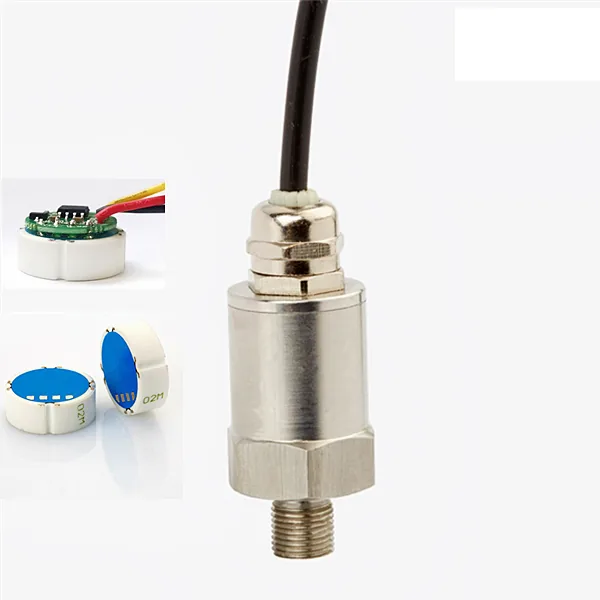 Ceramic Pressure Sensor
Al2O3 thick-film cell, no fill fluid, touches corrosive media directly.
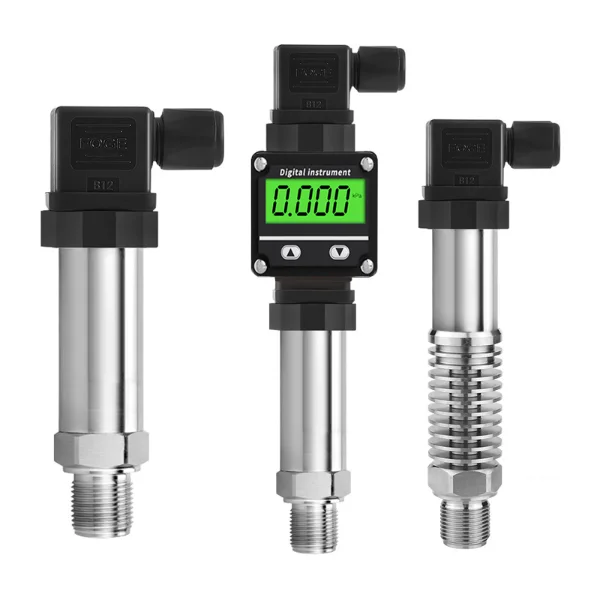 Silicon Pressure Sensor
Diffused-silicon piezoresistive core, the low-cost OEM workhorse.
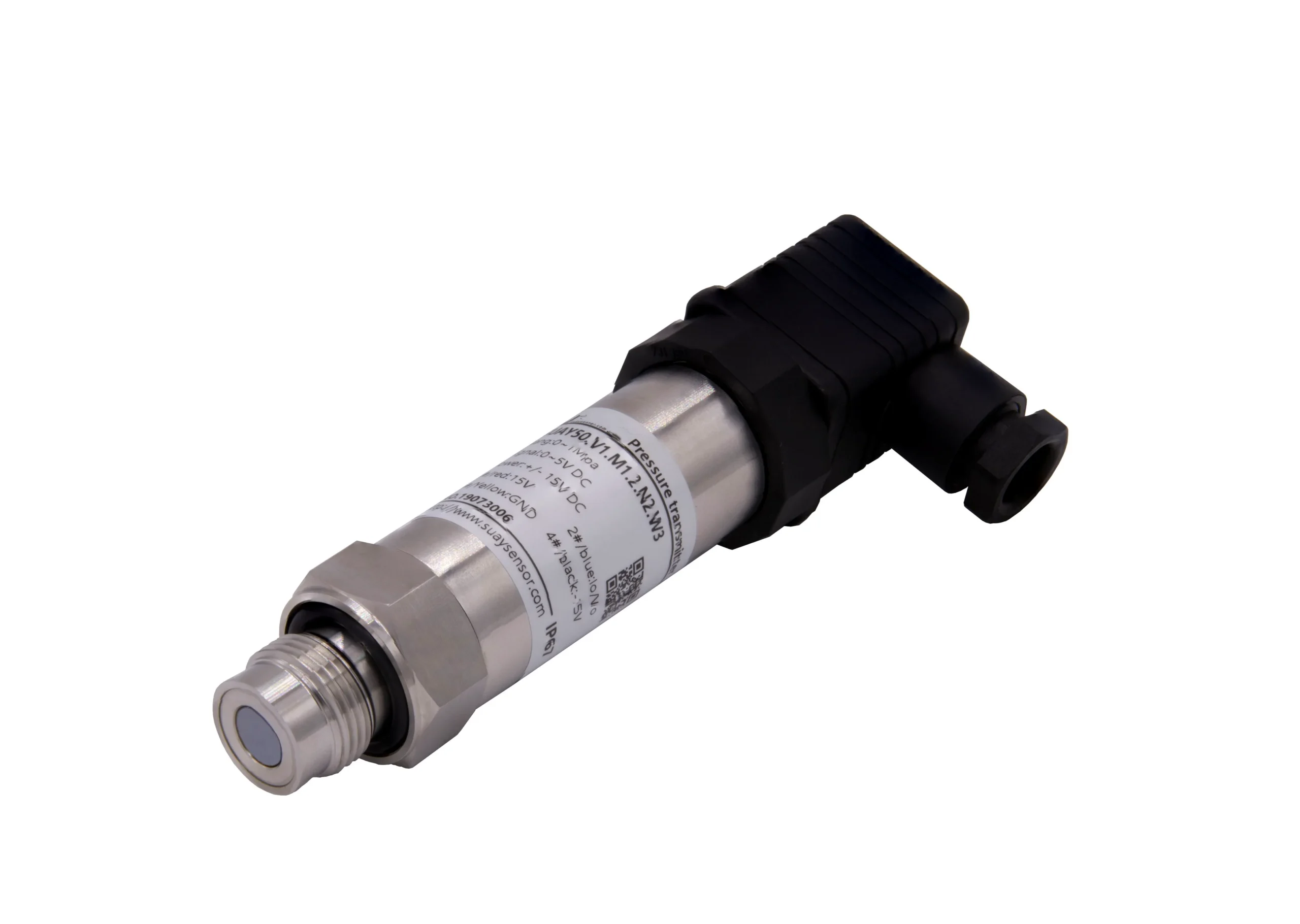 High-Frequency Dynamic Pressure Sensor
Fast piezoresistive cell for pulsation and transient pressure.
By range and output
Low ranges in kPa need a different cell from MPa service, and not every system wants a 4-20 mA loop. These cover the low-pressure, space-constrained and digital cases.
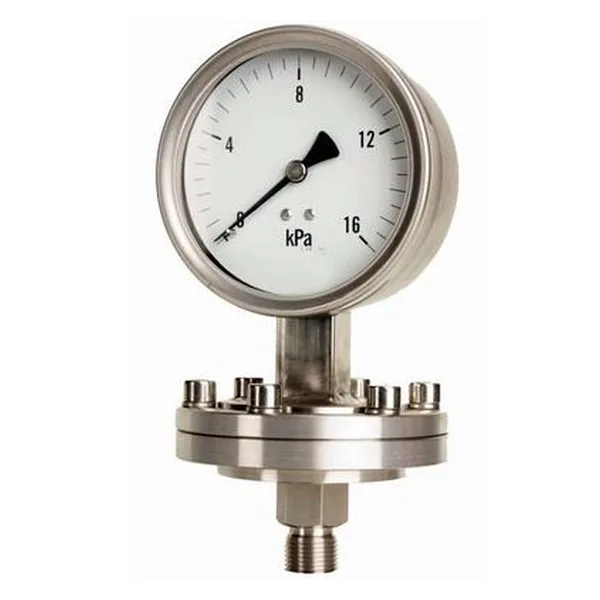 Low Pressure Transducer
For air and gas in the kPa range, where a standard cell over-reads.
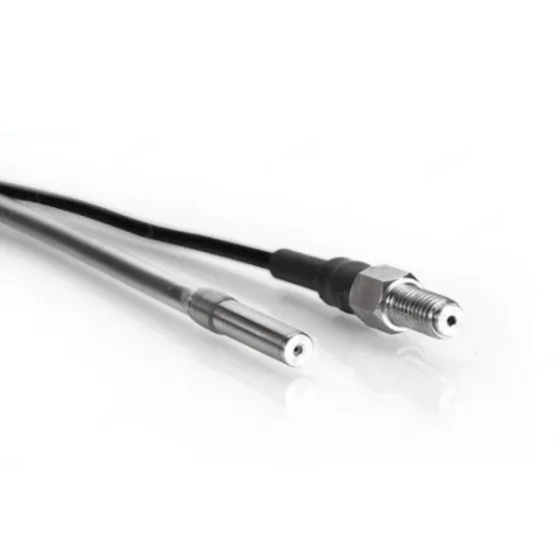 Miniature Pressure Sensor
Small body for tight machines and embedded OEM builds.
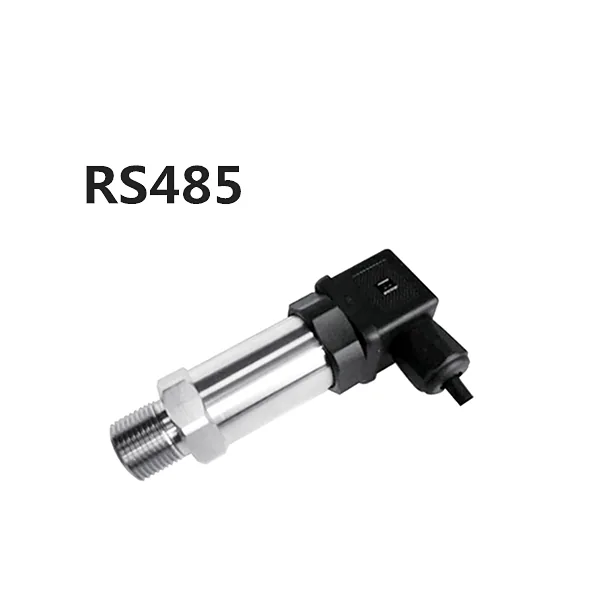 Digital Pressure Sensor
Digital output (RS485 / I2C) for direct readout without an analog loop.
By media and application
Some jobs are defined by what they touch. These are sized for liquid lines, gas service and buried earth-pressure work.
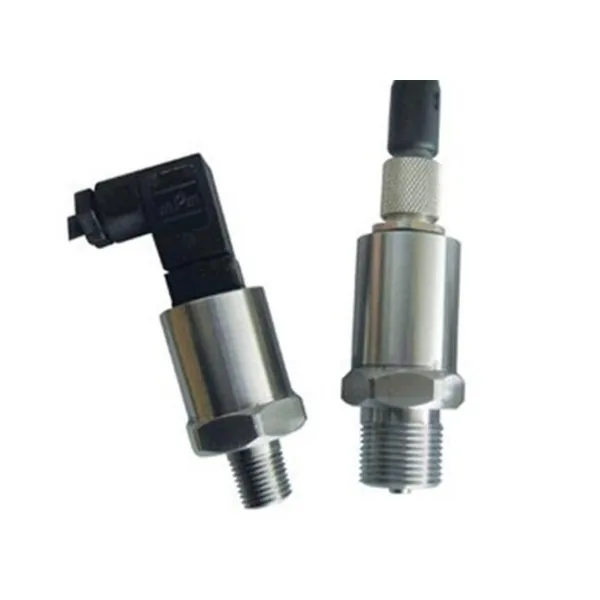 Liquid Pressure Sensor
Stainless wetted parts for water, oil and hydraulic lines.
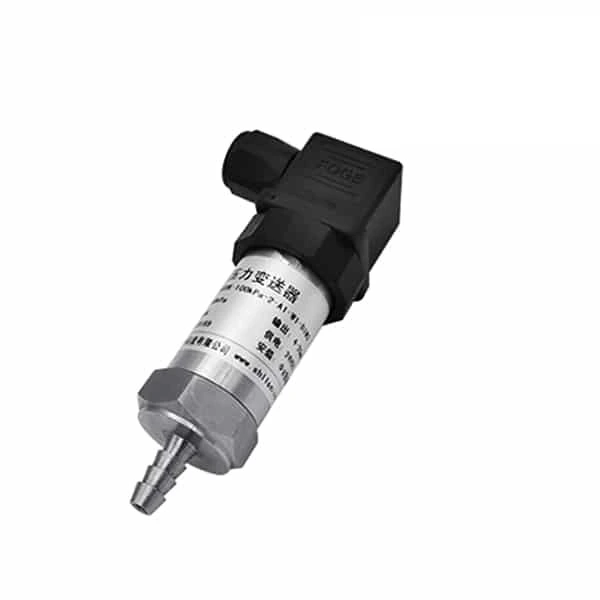 Gas Pressure Sensor
Sealed build for compressed air and industrial gas service.
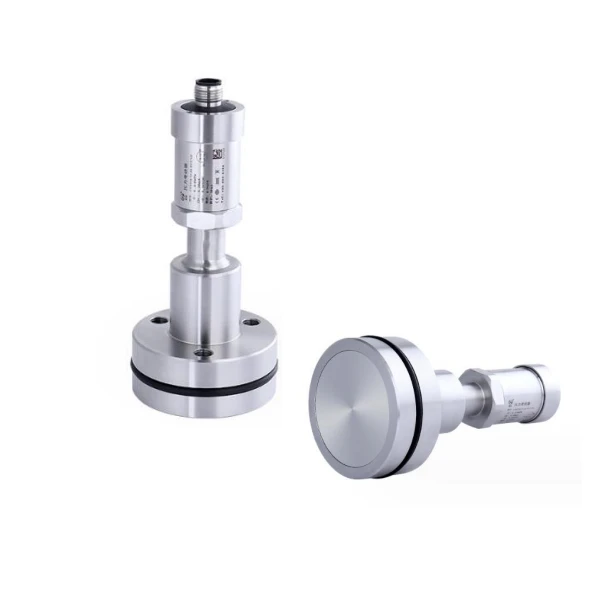 Shield Machine Pressure Sensor
Earth-pressure sensor for tunnel boring and geotechnical work.
Choosing a pressure sensor
Start with the media, because that rules the cell in or out. Then set the range and the output your system reads.
| Your service | Pick | Why |
|---|---|---|
| Corrosive or abrasive media, no fill fluid wanted | Ceramic | Al2O3 cell contacts the media directly |
| General OEM and volume builds, lowest cost | Silicon | Diffused-silicon core, compact and economical |
| Air or gas in the kPa range | Low-pressure | Cell scaled to low span for resolution |
| Pulsation, water hammer, fast transients | Dynamic | High-frequency response captures the spike |
| Direct digital readout, no analog loop | Digital | RS485 / I2C output straight to the controller |
For a loop-powered, calibrated transmitter rather than a bare sensor, see the pressure transmitter series; for local dial indication, see the pressure gauges.
If the naming is the question, voltage transducer, 4-20 mA transmitter, or bare sensing element, see the pressure device comparison guide.
FAQ
What is another name for a pressure transducer?
Pressure sensor and pressure transducer are used interchangeably for the sensing device. Strictly, a transducer outputs a raw electrical signal and a transmitter outputs a conditioned loop, but in the field the words overlap. On our pages “sensor” means the compact sensing device, “transmitter” the loop-powered instrument.
Request a quote
Quote checklist, send these five points: the media and its temperature; the pressure range and the units you work in; the output (mV, voltage, 4-20 mA or digital); the process connection and body size; and any hazardous-area or material requirement. Tell us the application and we configure one unit, not a shelf part.
Written and technically reviewed by the Instranova engineering team, last reviewed 2026-06-21. Based on the Instranova pressure sensor series datasheets plus field experience across liquid, gas and corrosive service. Questions? Reach our application engineers.